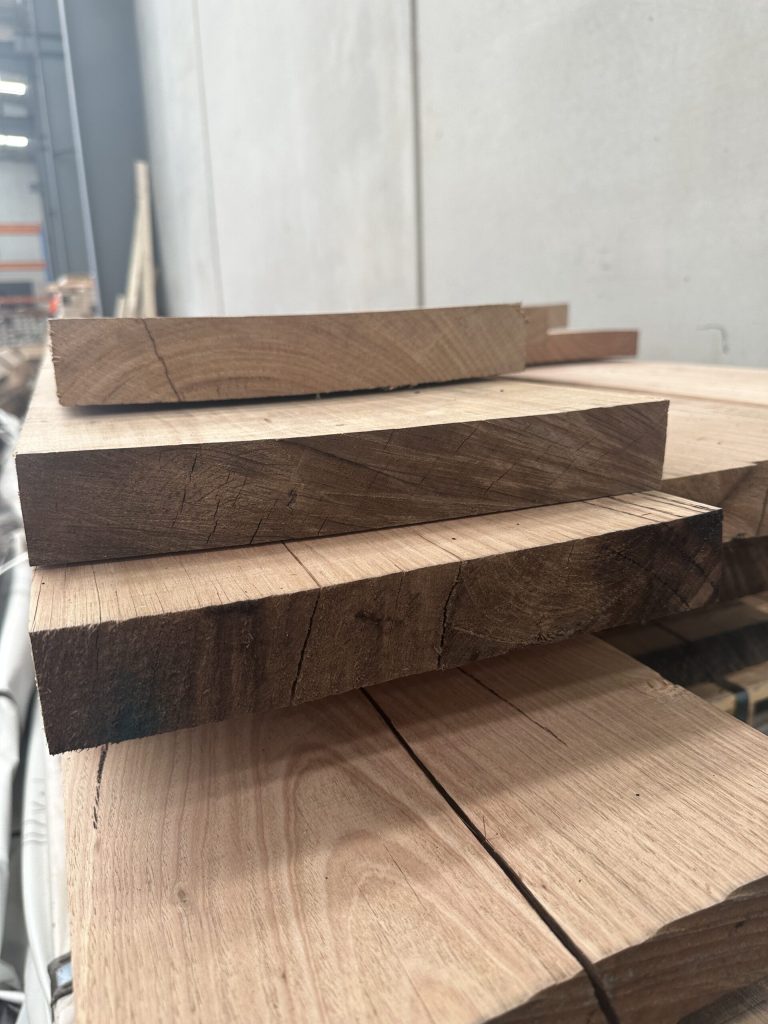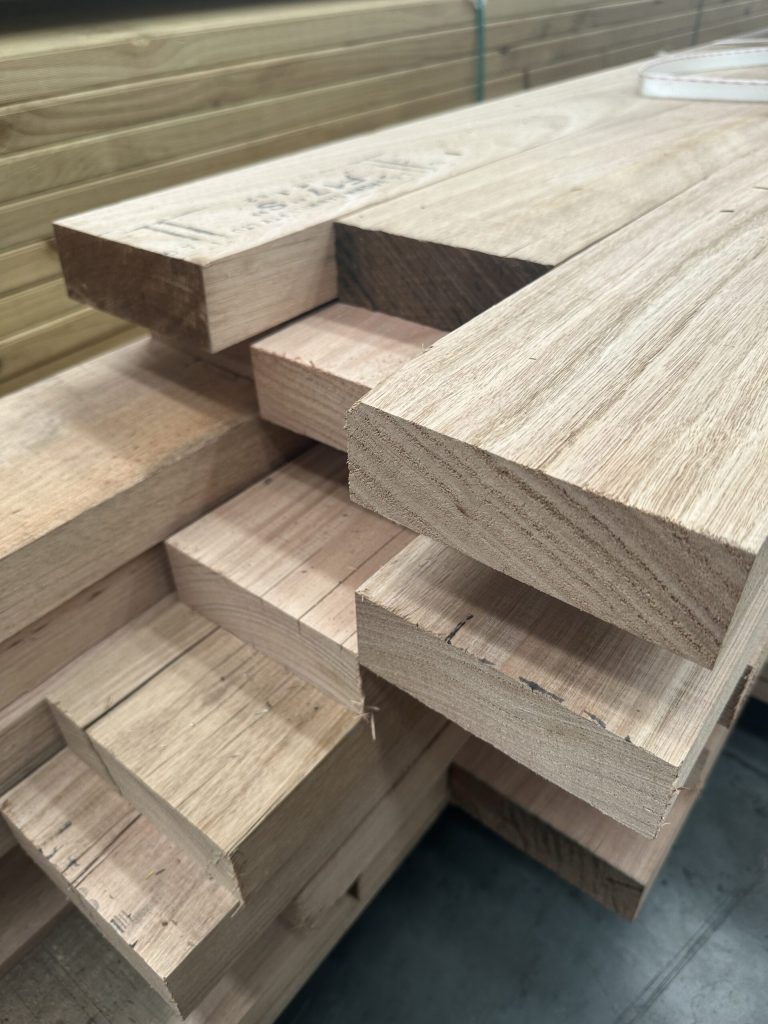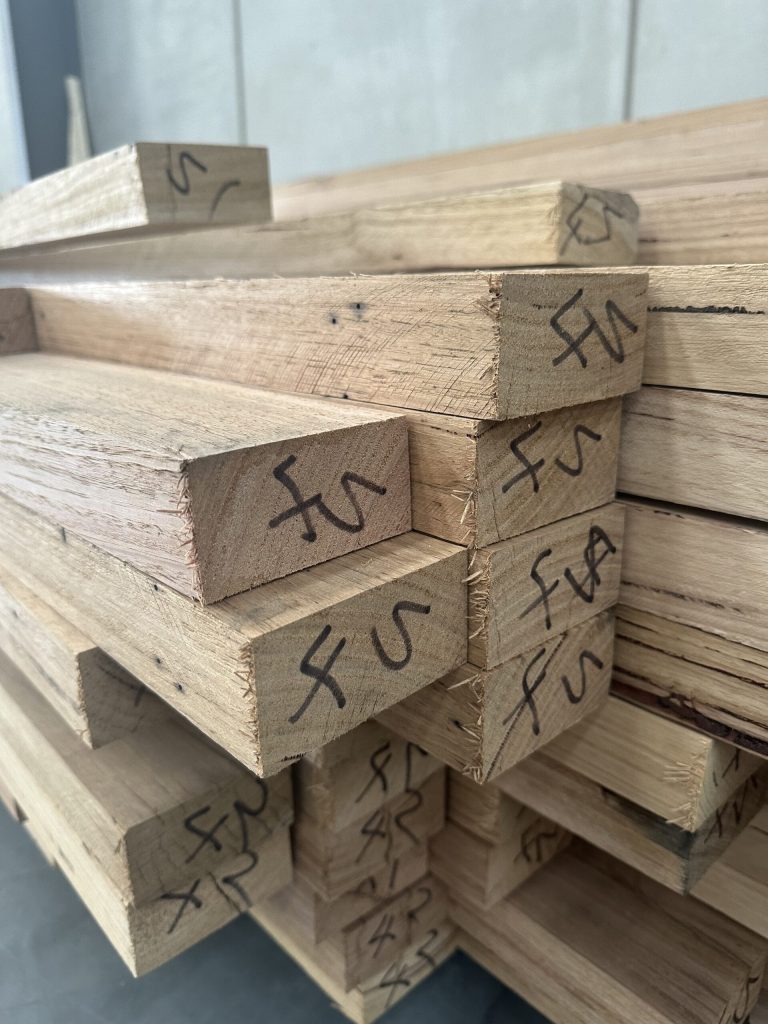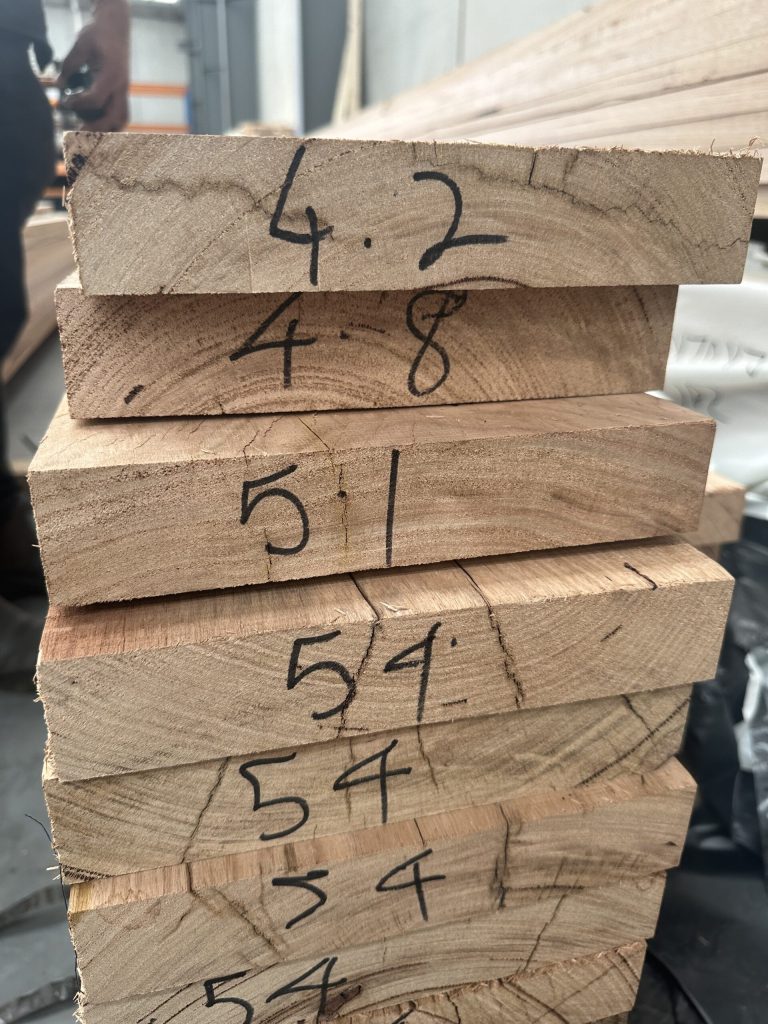
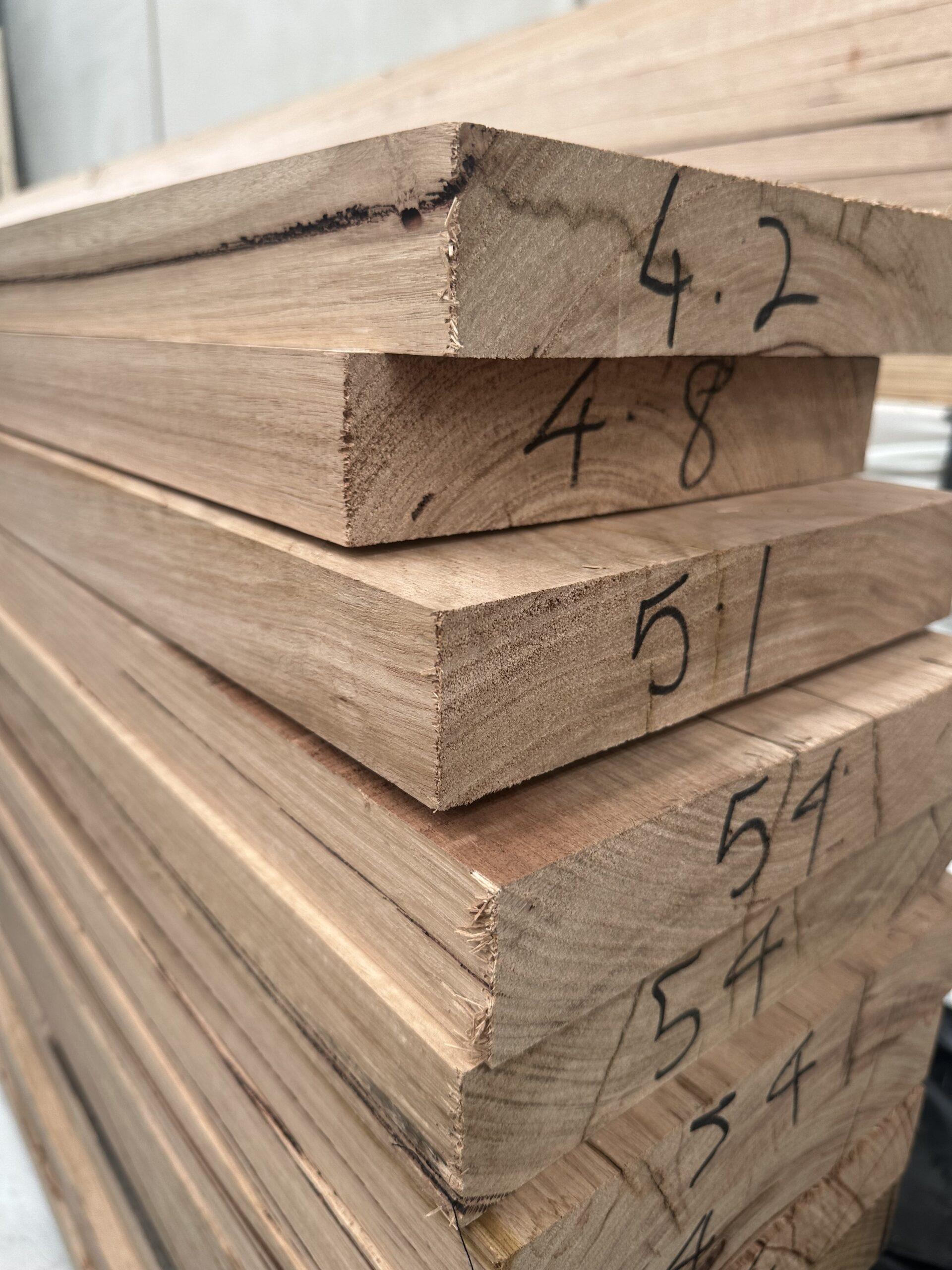
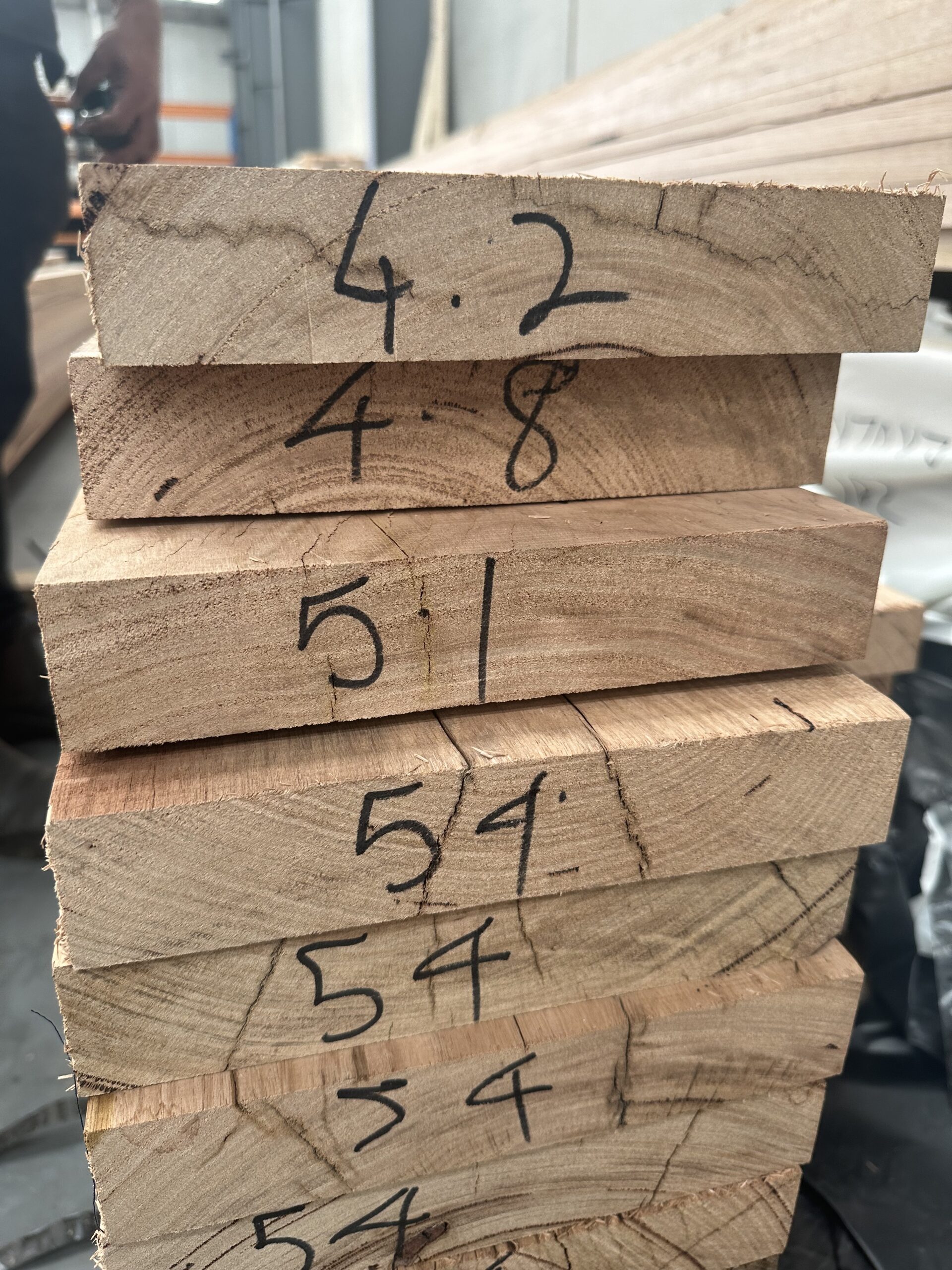
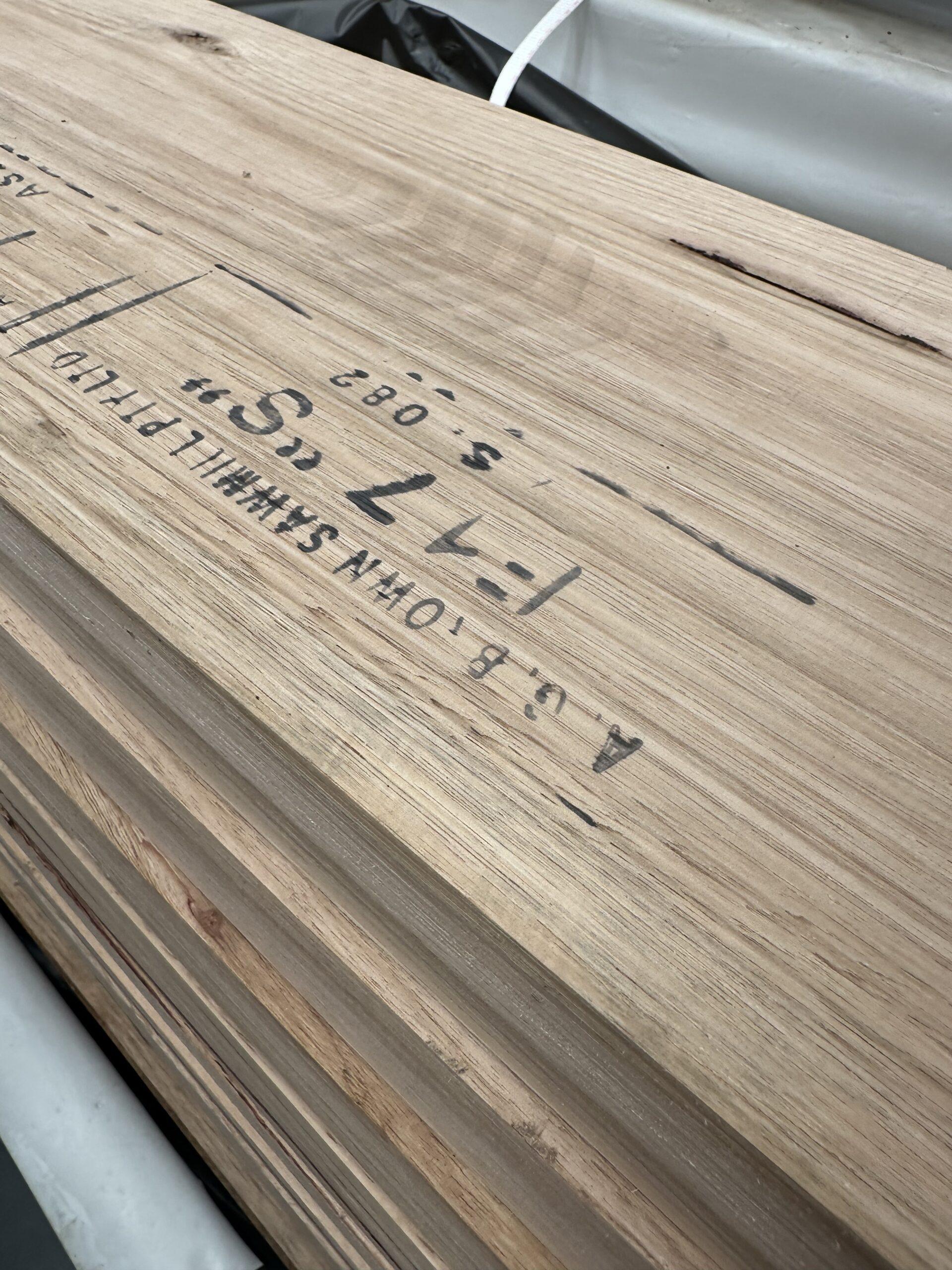
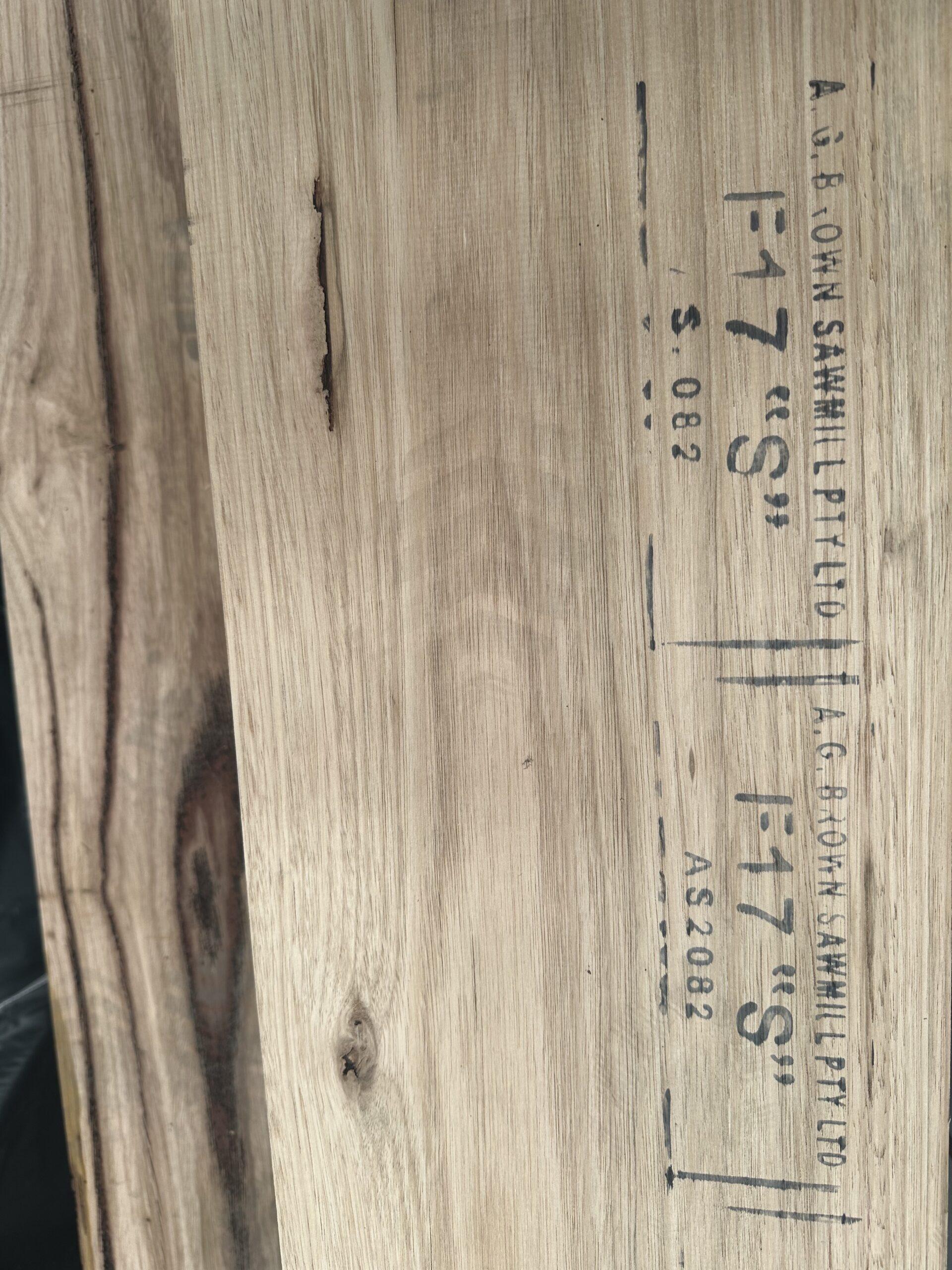
F17 KD Hardwood 240×45
Price range: $38.35 through $230.10 + GST
The 240×45 is the heavy-duty end of the F17 range, for jobs where you genuinely need the depth. Long spans, heavy loads, structural work that needs more timber behind it- this is the one. Still F17, still kiln-dried, just built bigger.
Specifications
- Timber Grade: F17
- Drying Method: Kiln Dried (KD)
- Australian Standards
- Fast Delivery
- Full Documentation
F17 KD Hardwood 240×45 is a heavy structural timber section suited for projects requiring larger dimensions and increased support. It provides a strong hardwood solution for engineered framing applications and larger building structures.
- F17 stress-graded, so you know the strength before it’s on site
- 240x45mm profile, designed for applications requiring increased depth and structural capacity
- Kiln-dried to cut down on twisting, warping and movement over time
- Finger-jointed and laminated for a strong, consistent length
- Suitable for structural applications where specified by design requirements
- Easier to handle than solid-section timber of similar strength
- Comes in multiple lengths depending on the job
Applications
- Long-span floor joists and bearers
- Heavy-duty wall and roof framing
- Large residential and commercial structures
- High-load structural frameworks
- Prefab and modular building work
| Length | 240×45 (4.2 LM), 240×45 (5.4 LM), 240×45 (6 LM), 240×45 (1.0 LM), 240×45 (2.4 LM), 240×45 (2.7 LM), 240×45 (3 LM), 240×45 (3.3 LM), 240×45 (3.6 LM), 240×45 (3.9 LM), 240×45 (4.5 LM), 240×45 (5.1 LM), 240×45 (5.7 LM) |
|---|---|
| Timber Grade | F17 |
| Drying Method | Kiln Dried (KD) |
Frequently Asked Questions
Anything with longer spans or heavier loads than a 190x45 can comfortably carry- think bigger floor systems, larger roof structures, that kind of scale.
No, it's still F17 across the board. The bigger profile just means more capacity, not a different rating.
It may be suitable for bearers or joists when selected according to engineering requirements.
Kiln drying improves dimensional stability and helps minimise unwanted movement after installation.
Yes, they're engineered to maintain consistent strength across the length, even under the higher loads this size is typically used for.
Related products