- Your cart is empty
- Continue Shopping

How to Identify Quality Timber: A Simple Checklist
-
 By
Timber Central
By
Timber Central - Posted on
- 0 comments
- Structural Timber

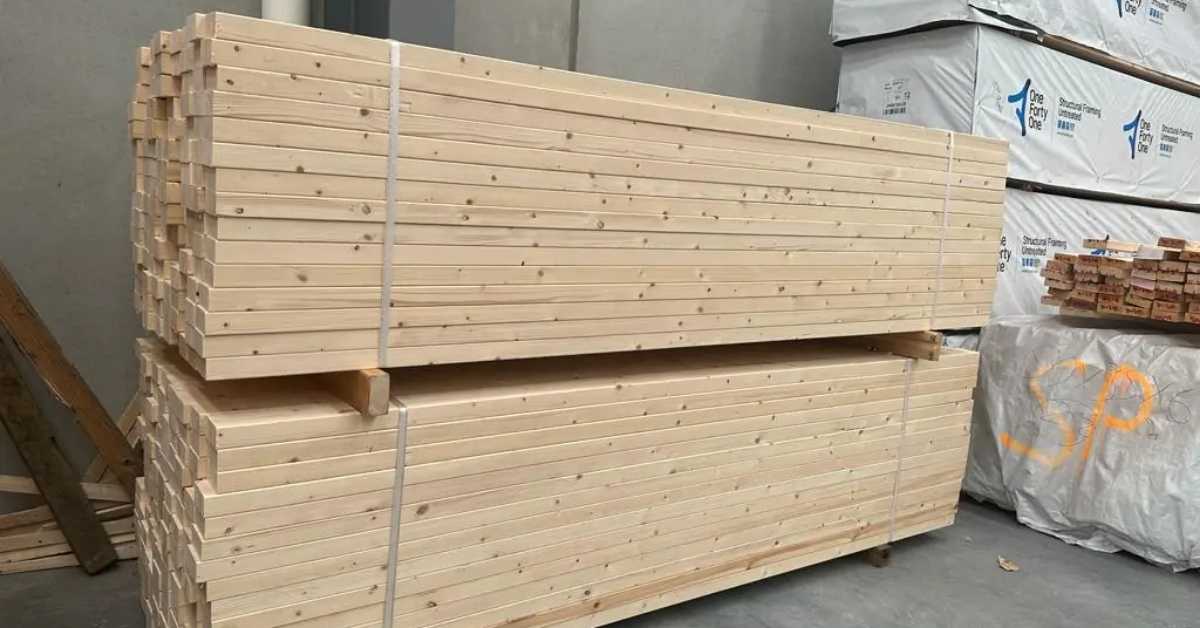
Quality timber stands out once you know what to look for. Strong structure, stable moisture, clean grading, and reliable sourcing all make a huge difference. Miss one step and the results can cost you money, time, and confidence in the final build.
Many Australians face the same problem. A piece looks fine at purchase, then twists, cracks, or refuses to sit straight when installation begins. The frustration builds fast. A simple checklist helps prevent these issues and gives you a clear path to better choices.
Below is a practical guide shaped by common questions buyers and builders ask.
What Quality Timber Usually Shows
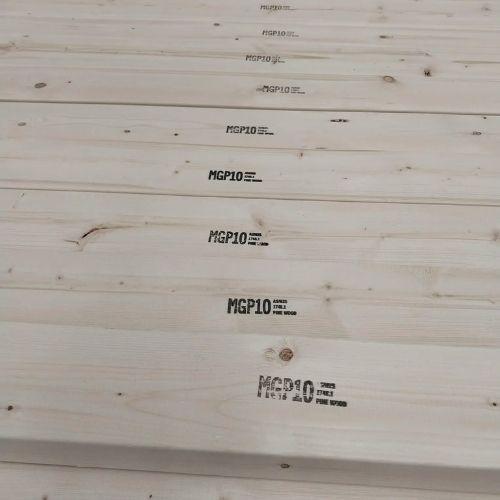
Good timber follows clear Australian grading rules. Structural timber often carries MGP10 or MGP12 ratings. These markings show the timber’s strength and ability to handle load. Appearance grades focus on visual uniformity instead. Knowing the difference helps avoid weak pieces in places that need strong support.
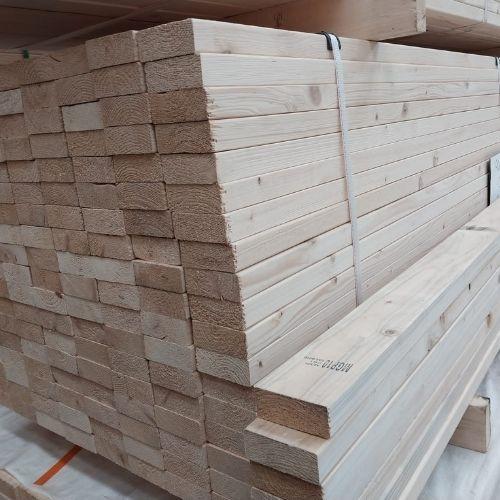
Timber grain provides another clue. Tight, consistent grain usually points to stable growth and stronger fibres. Uneven or loose grain often signals weaker timber. Knots are acceptable in small numbers, but large knots or clusters weaken the piece and increase the risk of cracks.
What to Watch Out For
Several defects signal that the timber may fail early. Splits, cracks, bowing, cupping, and insect marks should be taken seriously. These problems often worsen under pressure. Soft patches can also show moisture damage or past insect activity.
A quick sound test helps. A clean ring often means solid structure. A dull tone can show internal faults. Weight gives clues as well. Stronger timber is usually denser. Moisture levels are critical because unstable moisture causes shrinking and twisting once installed.
The Role of Sustainability Marks
Australian buyers often want timber that supports long-term forest health. Labels such as FSC, PEFC, and AFS confirm that the timber comes from responsibly managed forests. These marks reassure buyers that the timber source aligns with good forestry practice.
Why Poor Timber Becomes Expensive
Cheap timber turns costly once problems show up. Warping, sagging frames, hard-to-fit joints, and repeated adjustments all slow down the job. Repairs take time and add to labour costs. Strong timber helps avoid these setbacks and gives the build more stability.
The difference becomes obvious during installation. Quality timber works with you. Poor timber works against you.
Checklist for Better Results
Use this checklist to confirm timber quality before you buy:
Check the grade
Look for clear Australian grading such as MGP10 or MGP12.
Review the grain
Tight and even grain usually signals stronger fibres and better stability.
Scan for defects
Avoid timber with splits, cracks, bowing, soft patches, or heavy knot clusters.
Confirm moisture stability
Choose timber with controlled moisture levels to reduce shrinking or twisting.
Look for recognised certification
FSC, PEFC, or AFS labels indicate responsible sourcing.
These steps support better outcomes by helping identify timber that meets project requirements and performs well in Australian conditions.
For timber that meets strong standards and delivers dependable performance, Timber Central supplies graded, reliable products for building, renovation, and commercial work. Contact Timber Central for quality timber that supports better results on every project.
FAQs
Are higher MGP grades always stronger?
Higher MGP numbers usually mean higher strength and stiffness.
Does grain pattern matter much?
Yes. Tight grain often means stronger fibres and better stability.
Can small knots affect strength?
Small knots are fine. Large knots or clusters weaken the piece.
How important is moisture checking?
Very. Stable moisture reduces shrinking, swelling, and twisting.
Do sustainability labels affect performance?
They confirm responsible sourcing. Strength still depends on grading and condition.