- Your cart is empty
- Continue Shopping

What Is Framing Timber? Types and Best Options for Builders
-
 By
Timber Central
By
Timber Central - Posted on
- 0 comments
- Structural Timber

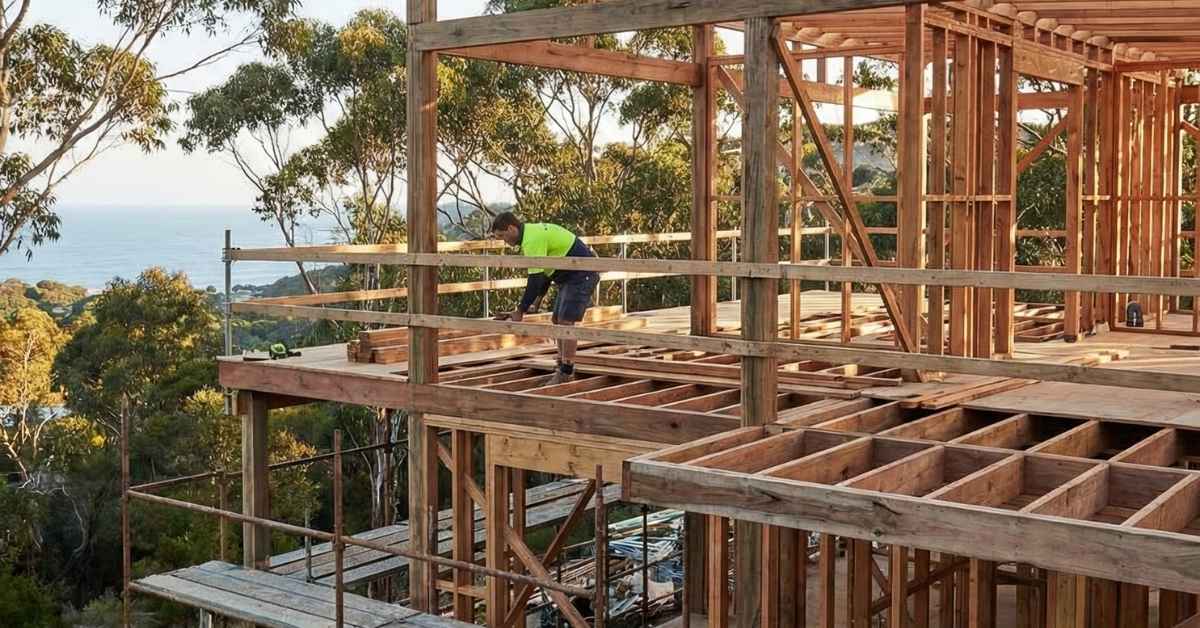
Framing timber is the structural framework of a building.
It supports walls, floors, and roofs, and it carries the loads that keep everything standing. If the framing timber is wrong, problems show up fast. And fixing them costs time, money, and patience.
So here is the real question. Are you confident the framing timber being used on your next build is right for the job?
Why Framing Timber Choices Matter More Than You Think
Many issues on site trace back to one thing. Timber that moves when it should not. Twisted studs. Bowed walls. Frames that need fixing before linings even start.
Sound familiar?
These problems do not come from bad luck. They come from timber that does not suit the demands of the build. And once the frame is up, it is already too late to change course.
Choosing the right framing timber from the start helps avoid delays, rework, and uncomfortable conversations with clients.
What Is Framing Timber Used For?
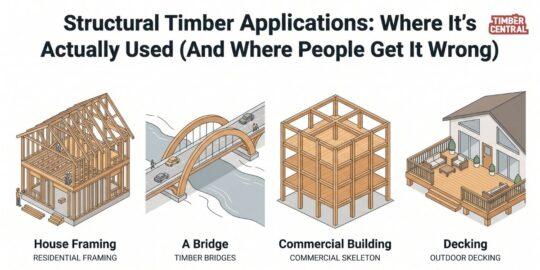
Framing timber forms the internal structure of most Australian buildings. It is commonly used for:
- Wall frames
- Roof trusses
- Floor joists
- Studs and plates
- Lintels and noggings
These elements carry weight every day. They also need to stay straight over time. Strength, durability, and consistency are not optional. They are expected.
Common Types of Framing Timber in Australia
MGP10 and MGP12 Pine
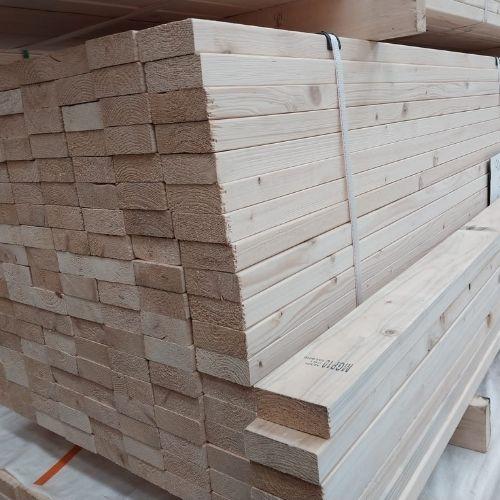
Machine-graded pine remains a popular choice across residential construction.
Why builders rely on it:
- Plantation grown and widely available
- Light and easy to work with
- Cost-effective for standard builds
MGP10 suits general framing needs. MGP12 provides higher strength for heavier loads or longer spans.
The risk comes with variation. Some lengths stay straight. Others need sorting on site. That extra handling adds time and labour.
F7 Hardwood
F7 hardwood is often used in renovations or where matching existing hardwood frames is required.
What to expect:
- Higher density
- Natural durability
- Better suited to some exposed areas
Availability and straightness can vary. Handling also takes more effort, which affects install time.
H2 Treated Framing Timber
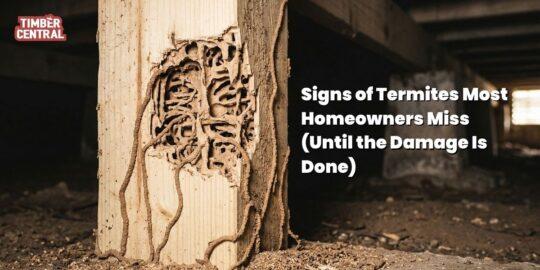
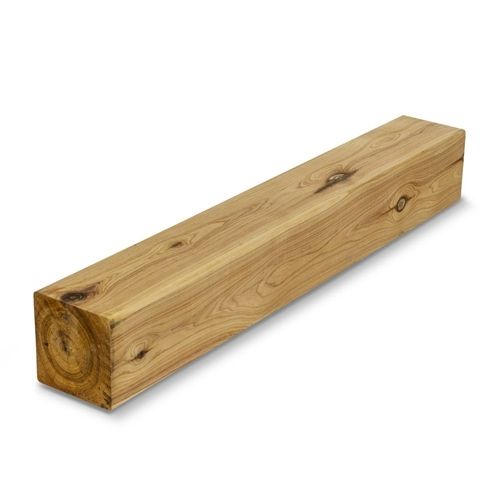
H2 treatment protects timber from termites and borers above ground. This is common for internal framing in many parts of Australia.
Why it matters:
- Added durability
- Reduced pest risk
- Available in common framing grades
Skipping treatment can lead to costly issues later, especially in termite-prone regions.
The Rise of Engineered Framing Timber
Engineered timber products are now a regular feature on Australian job sites. And for good reason.
These products are manufactured for strength and straightness. Layers are bonded under controlled conditions to produce consistent structural members.
Builders turn to engineered framing timber when:
- Long spans are needed
- Accuracy matters to finishes
- Speed on site is a priority
- Material waste needs to stay low
Less twisting means less adjustment. Straighter frames mean faster installs. That adds up across a full build.
Traditional Framing Timber vs Engineered Options
Key Differences Builders Notice
Traditional Framing Timber
- Natural variation in straightness
- Standard lengths
- Suits general framing
Engineered Framing Timber
- Higher and more consistent strength
- Reliable straight lengths
- Suits precision framing and prefabrication
The contrast is clear. One relies on natural growth patterns. The other is produced for predictable performance.
Which Framing Timber Is Right for Your Project?
Ask yourself a few direct questions:
- Are long wall runs involved?
- Is labour time tight on this job?
- Does the design demand accuracy?
- Is rework cutting into margins?
If the answer is yes more than once, it may be time to rethink the framing timber being used.
Choosing the right option early often costs less than fixing issues later.
Why Builders Choose Timber Central
Quality framing timber only works when supply is reliable. Timber Central supplies structural timber and engineered framing solutions that meet Australian building standards.
Builders choose Timber Central because the timber arrives ready to work. Straight, consistent, and fit for purpose.
If the next project demands framing timber that performs as expected, speak with Timber Central. A clear choice now helps avoid problems down the line.
FAQs
Is framing timber only used for houses?
No. It is used across residential, commercial, and light industrial construction.
Is engineered framing timber stronger than standard pine?
In many cases, yes. Engineered products are manufactured for higher and more consistent strength.
Does engineered timber cost more?
The upfront price can be higher. Savings often appear in labour time, reduced waste, and fewer site fixes.
When is treated framing timber required?
Treatment depends on location and exposure. H2 treatment is common for internal framing in many Australian regions.