- Your cart is empty
- Continue Shopping

Construction Timber Vs Engineered Wood
-
 By
Timber Central
By
Timber Central - Posted on
- 0 comments
- Timber Construction

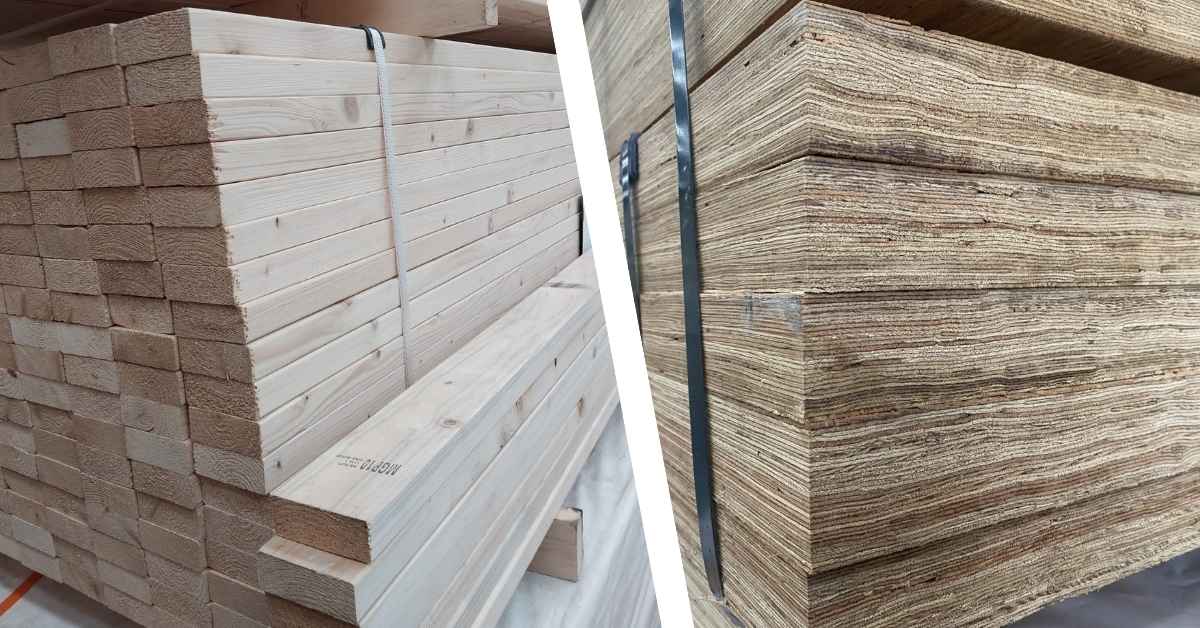
Construction timber and engineered wood each play strong roles in Australian building, and both offer clear advantages in the right setting. The real focus is understanding how each material behaves, since council rules, engineering requirements and national standards guide what can be used on a project. Builders, designers and homeowners often want clarity in this area, so this guide provides a simple breakdown that supports those decisions.
What Is Construction Timber?
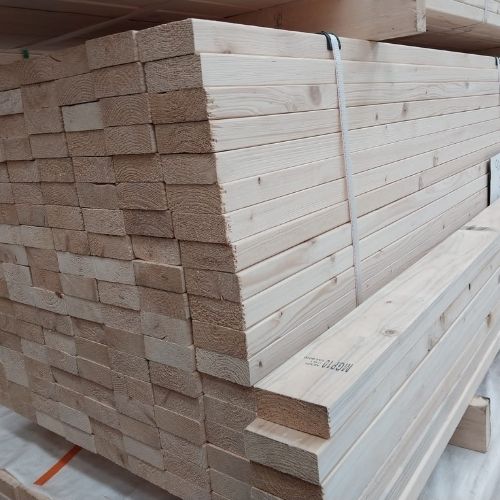
Construction timber refers to solid wood that has been milled, graded and treated for structural use. This includes MGP10 and MGP12 pine along with hardwood grades used across many Australian homes. These products appear in framing, battens, rafters and decking.
Many appreciate the familiar feel of solid timber. Its strength and handling make it a common material on residential sites. Treatment levels like H2 and H3 also help protect against insects and moisture, which can reduce future issues.
What Is Engineered Wood?
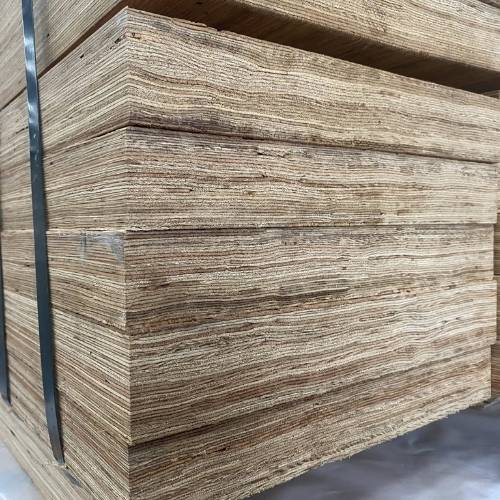
Engineered wood is created by bonding layers of timber or wood fibre with strong adhesives. LVL beams, I joists and structural flooring sheets fall into this category. These products are known for stable strength, predictable performance and reliable span capacity.
Engineered wood often appears in mid floors, long roof beams, wide living areas and large openings where stability and straightness matter.
How Do They Compare in Strength?
Both construction timber and engineered wood offer high structural performance. The difference often comes down to the span required and how the material needs to carry load. Engineered products usually offer consistent strength from piece to piece. Solid timber provides dependable performance across frames and general structure.
Engineers often specify engineered sections for wide spans or heavy loads. Solid timber tends to be used in frames and conventional structural elements.
How Do They Handle Moisture Changes?
Solid timber can move slightly as moisture levels change. This is normal and is managed during construction. Engineered wood usually stays straighter and more stable, which is useful for flooring and truss applications where movement can cause issues.
Many Australian homes rely on a mix of both to balance performance and practicality.
Installation and Handling
Construction timber is well known among trades and is simple to cut, fix and install. Engineered wood can be lighter in longer lengths, which can help reduce strain during handling. Both are available in a wide range of sizes suited for many building layouts.
How Are These Materials Used Across Australian Projects?
Most homes in Australia use both materials. Wall framing often uses MGP timber, while beams, mid floors and long openings often rely on engineered wood. This combination supports structural integrity and helps meet engineering and council requirements.
The material used in each part of a building is determined by structural plans, council rules, engineering advice and product standards. This helps ensure safety, long-term performance and compliance.
Standards and Quality
Australian building standards guide how both product types perform on site.
Construction Timber Standards
- AS 1684 Residential timber framed construction
- AS/NZS 1748 Mechanically stress graded timber
- AS 1604 Timber treatment requirements
- AS 1720.1 Timber structures design
Engineered Wood Standards
- AS/NZS 4357 Structural LVL
- AS/NZS 4063 Structural timber properties
- ISO 9001 Quality management
- PEFC and FSC certifications for responsible sourcing
These standards support quality control and protect against structural issues.
Expert Insight for Australian Building Conditions
The best outcomes come from matching each material to its intended purpose as set out by engineering and council requirements. Construction timber works well across most general structural areas. Engineered wood supports wider spans and areas that need stable and predictable strength.
Understanding the strengths of each product helps prevent delays, rework and long-term problems.
Quality Timber Supply
Timber Central supplies both construction timber and engineered wood that align with Australian standards. For projects that need dependable material supply and clear guidance, Timber Central can support builders, designers and homeowners throughout the process.
FAQs
Is engineered wood stronger than solid timber?
Engineered wood often offers more consistent span capacity, yet solid timber remains a strong and reliable option for many structural parts of a home.
Can engineered wood be used outdoors?
Some engineered products can be used outdoors when treated and installed as directed by product specifications.
Is H2 timber termite resistant?
H2 timber provides resistance to termites in internal applications. H3 timber offers extra protection for outdoor above-ground areas.
Are both materials used in most homes?
Yes, most modern homes use a mix of both based on engineering plans and council approvals.