- Your cart is empty
- Continue Shopping

Is Cypress Pine a Hardwood? Pros, Cons and What Really Matters
-
 By
Timber Central
By
Timber Central - Posted on
- Treated Pine

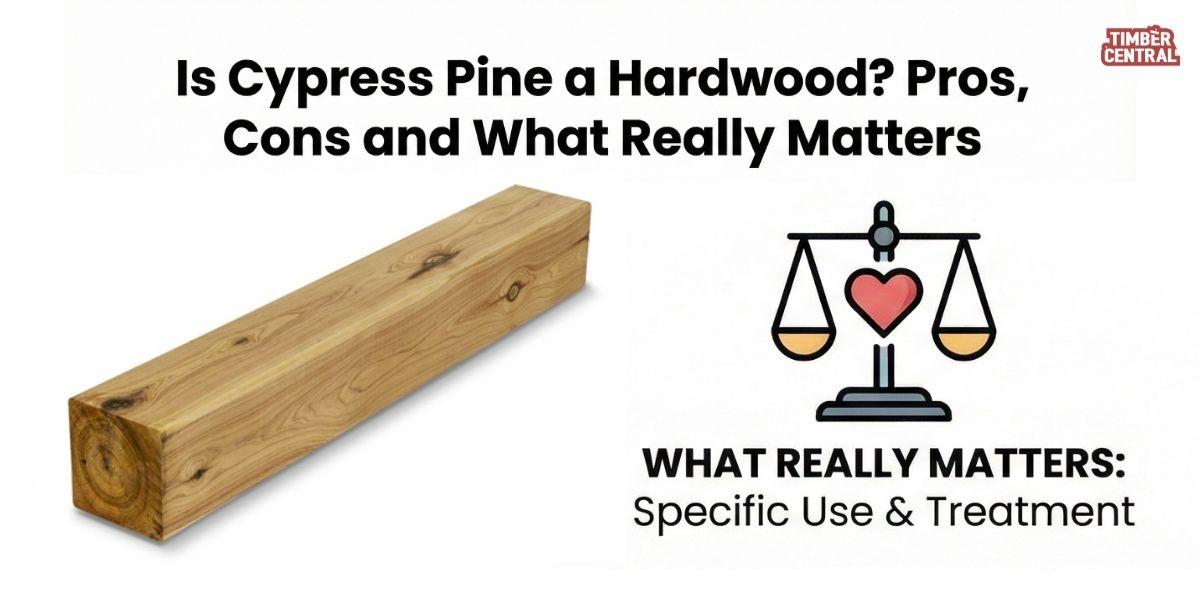
Is Cypress Pine a hardwood?
That question comes up constantly. Usually from someone trying to decide whether it’s strong enough for the job.
Botanical labels matter far less than performance. What actually counts is durability, termite resistance, structural grading and compliance with Australian Standards. Miss that distinction, and the wrong timber ends up on site.
Let’s clear this up properly.
What Exactly Is Cypress Pine?
Cypress Pine in Australia refers primarily to Callitris glaucophylla, a native Australian softwood species. It comes from the cypress tree family, not from true hardwood groups like eucalyptus.
So technically, it is a softwood.
But “Softwood” does not mean weak. That assumption causes more confusion than almost anything else in timber selection.
In reality, cypress pine timber is often comparable to some hardwoods in structural performance. Density, durability and natural resistance matter more than the botanical label. This point matters more than people realise.
If It’s a Softwood, Why Is It Used Structurally?
Because performance is what counts.
In both regional settings and major city builds, cypress pine in Australia remains a trusted choice for:
- Framing
- Flooring
- Cladding
- Fencing
- Cypress posts for rural and residential use
The natural durability of Callitris glaucophylla is the main reason. It contains built-in oils that resist decay and insects. Not chemically treated. Naturally resistant.
That is a significant difference.
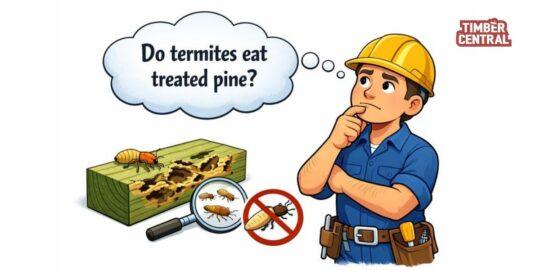
Do Termites Eat Cypress Pine?
This is where most people get caught out.
The short answer: termites can attack almost any timber under the right conditions.
The more accurate answer: termites are far less likely to attack sound cypress pine timber compared to many other softwoods.
The natural oils inside Callitris glaucophylla make it unattractive to termites. That’s why cypress posts are widely used in fencing and rural settings without chemical treatment.
If the timber is damp, poorly installed, or in constant ground contact without proper detailing, vulnerability increases. Many assume “termite resistant” means termite proof but it doesn’t. That misunderstanding causes costly damage.
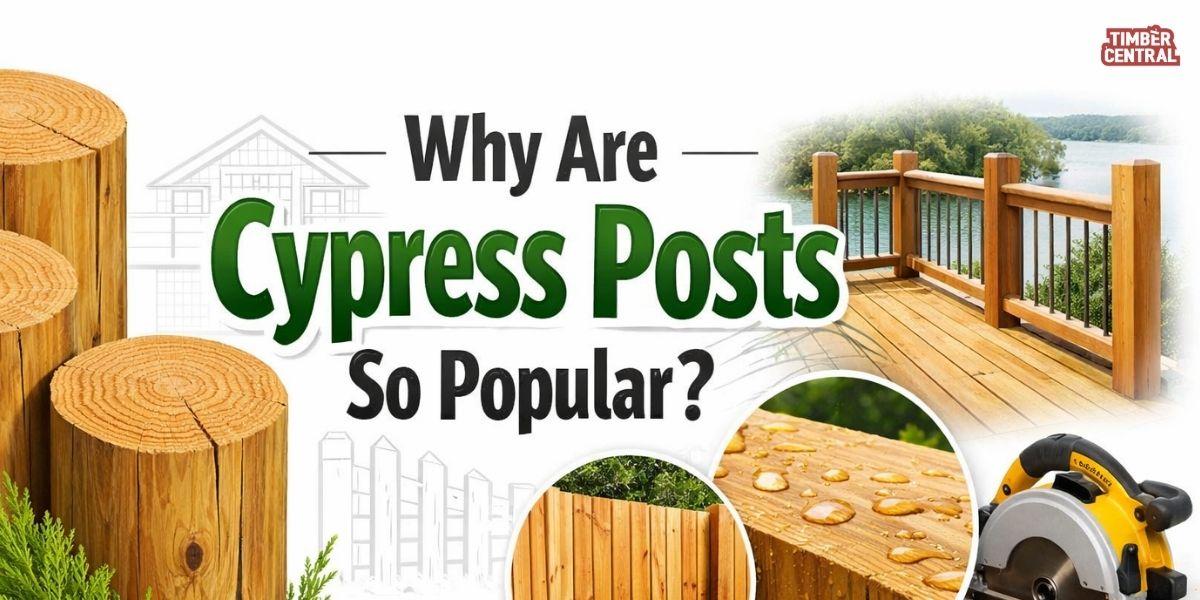
Why Are Cypress Posts So Popular?
Cypress pine means cypress posts in many conversations. Especially in fencing.
There are three main reasons.
1. Natural Durability
Untreated durability is the standout feature. Cypress posts hold up well in exposed environments when used correctly and in line with regulations.
This is the biggest advantage.
2. Stability
Compared to some hardwoods that can twist aggressively as they dry, post pine tends to remain relatively stable when properly seasoned. That matters in fencing lines where visual consistency counts.
3. Workability
Cypress pine timber is easy to work with and responds well to cutting and shaping. Contractors value that on-site since it speeds things up.
Time is money. No one argues with that.
Common Sizes: What About 90×90 Cypress Posts?
One of the most requested profiles is 90×90 cypress posts. These are widely used for fencing and light structural applications where permitted by design and regulatory standards.
But a critical note here.
The final decision on what timber can be used for a specific structure must comply with Australian Standards, engineering specifications and local authority requirements. No timber should be selected purely on preference or price.
A 90×90 cypress post may look sufficient on paper. In practice, load requirements, soil type, wind rating and exposure classification all matter.
This is often misunderstood.
Pros of Cypress Pine
Let’s be direct.
Natural Termite Resistance
Thanks to Callitris glaucophylla’s internal oils, cypress pine timber performs exceptionally well in termite-prone regions.
Durability Without Treatment
No need for chemical treatment in many applications, depending on use class and compliance requirements.
Attractive Grain
With its warm hues, defined knots and organic character, cypress pine delivers a finish that feels authentic rather than manufactured.
Good Structural Performance
Despite being a softwood, it provides solid strength-to-weight ratio for many approved uses.
Lower Maintenance in Some Outdoor Uses
For fencing and posts in particular, cypress pine often proves to be a lower-maintenance option over time.
Cons of Cypress Pine
No timber is perfect. Anyone saying otherwise hasn’t worked with enough of it.
Knots
Cypress pine timber commonly features tight knots. They are structurally acceptable when properly graded, but they remain visually noticeable, a feature some appreciate, and others prefer to avoid.
Resin Pockets
Resin pockets are an occasional characteristic of cypress pine. They rarely create serious issues, but should not be overlooked.
Movement If Not Properly Seasoned
Improper drying can lead to movement. This is where many projects fall short. Poor storage and rushed installation cause problems that get blamed on the species.
In reality, handling is often the issue.
Not Suitable Everywhere
Exposure classifications and structural demands vary. It cannot simply replace hardwood in every scenario. Regulations exist for a reason.
Is Cypress Pine Better Than Hardwood?
That’s the wrong comparison.
The right question is: better for what?
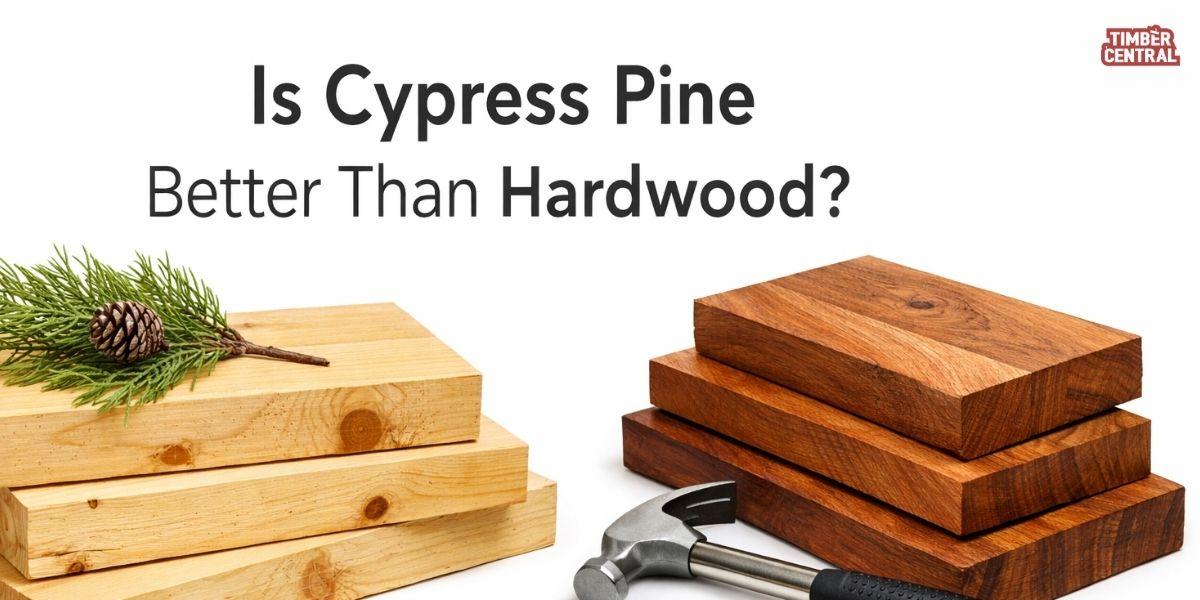
For fencing and rural posts, cypress posts are widely favoured because of durability and termite resistance. For high-impact structural beams or heavy load-bearing applications, certain hardwoods may be specified instead, depending entirely on engineering requirements.
This is the main issue. Timber choice is not preference-driven. It is compliance-driven.
That’s why Timber Central focuses on supplying compliant, properly graded cypress pine timber suited to approved applications.
What Makes Cypress Pine Australia So Valued?
Longevity in harsh climates.
Across dry inland regions, post pine has proven itself over decades. That kind of track record builds confidence. Builders trust what performs consistently.
And performance is what matters most.
FAQs
Is Cypress Pine classified as a hardwood?
No. It is a softwood species derived from Callitris glaucophylla, a native Australian cypress tree.
Do termites eat cypress pine?
They can, but it is naturally termite-resistant due to internal oils. It is not completely termite-proof.
Are cypress posts suitable for ground contact?
Often yes, depending on grading, installation method and compliance requirements. Always check relevant Australian Standards and engineering advice.
Is 90×90 cypress posts a common size?
Yes. 90×90 cypress posts are widely used in fencing and light structural applications, where compliant.
Does cypress pine require treatment?
In many cases, it performs well without chemical treatment, but suitability depends on the specific use class and environmental exposure.
Is post pine the same as cypress pine?
In Australian usage, post pine generally refers to cypress pine used for posts, particularly fencing posts.
Final Word
Cypress Pine is technically a softwood. That label misleads people.
In real-world Australian conditions, cypress pine timber has earned its reputation through durability, termite resistance and reliability, especially in posts and fencing.
But no timber choice should be made casually. Compliance, design requirements and environmental exposure dictate suitability. Always.
Because in construction, assumptions cost money. And timber decisions last decades.