- Your cart is empty
- Continue Shopping

MGP10 vs MGP12: Understanding Structural Timber Grades
-
 By
Timber Central
By
Timber Central - Posted on
- 0 comments
- MGP10

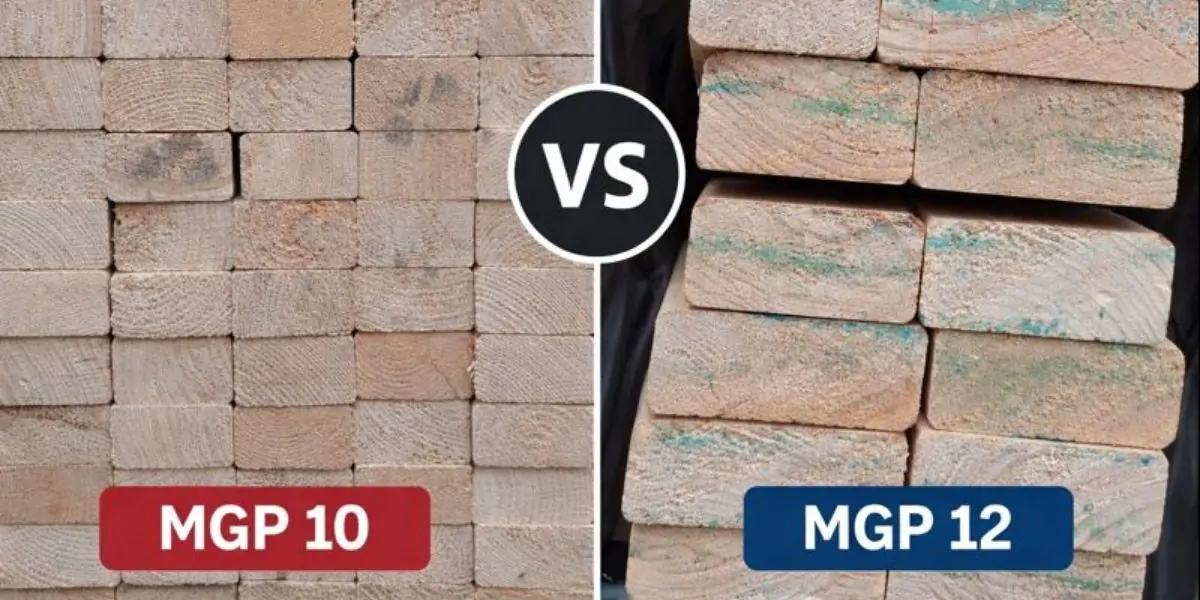
If you’re working with pine framing in Australia, you’ll come across MGP10 and MGP12 constantly. They’re standard. They’re stamped on almost every length. And yet, they’re still misunderstood.
Part of the problem is how these grades are talked about. Too often, it turns into a debate about which one you should use. That’s not how it works. And it’s not how we approach it at Timber Central.
Our role, as a timber supplier, is to help builders understand what these grades mean, how they differ, and why those differences matter. The decision on what grade is required for a particular structure sits with the NCC, Australian Standards, engineers, and building surveyors. Always.
With that clear, let’s break it down properly.
What does MGP actually mean?
MGP stands for Machine-Graded Pine.
Instead of being assessed visually, MGP timber is tested mechanically during manufacture. Machines measure how the timber performs, particularly its stiffness, then assign a grade based on those results.
This system is covered under AS/NZS 1748 and is widely used in Australian residential and light commercial construction. The benefit is consistency. Designers and certifiers know what level of performance to expect from a given grade.
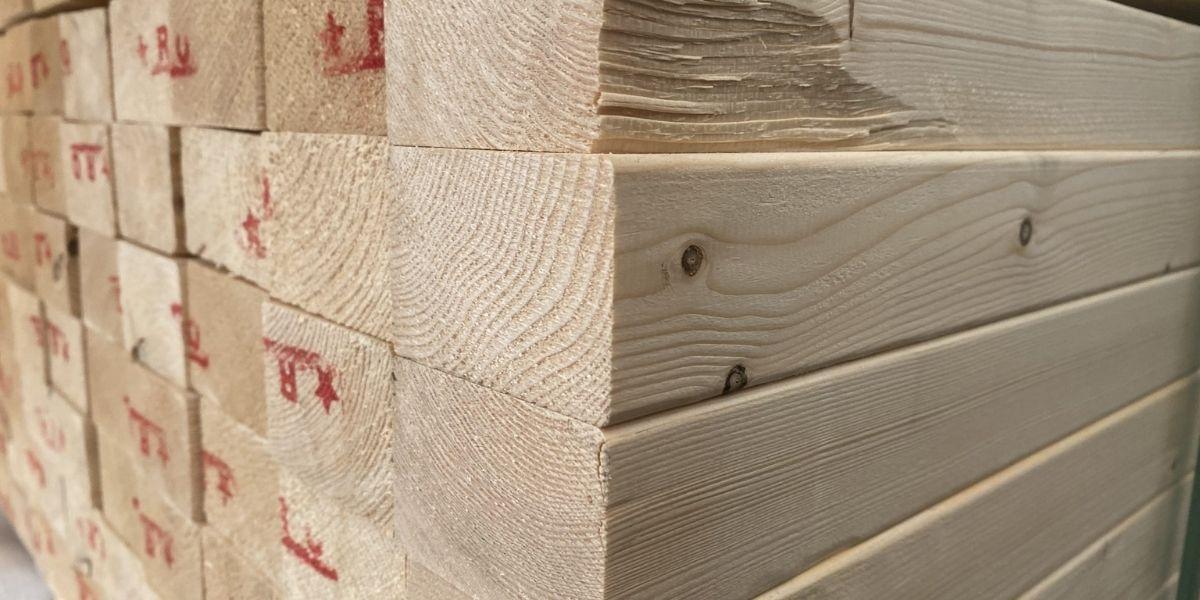
The number matters.
- MGP10 and MGP12 refer to different strength and stiffness classifications
- A higher number indicates higher characteristic performance values
This is the basis of how MGP timber grades are explained under Australian Standards.
A practical overview of MGP10 and MGP12
At a high level:
- MGP10 is a commonly used structural framing grade in housing
- MGP12 provides higher strength and stiffness values and is often specified where demands on the timber increase
Neither grade is “better” in isolation. They are simply designed to perform differently under load.
This distinction is important. Because timber that is adequate in one scenario may not be adequate in another, even if it looks identical on site.
The difference between MGP10 and MGP12: strength and stiffness
This is where most confusion sits.
The difference between MGP10 and MGP12 is not just about how much weight the timber can carry before failure. It’s also about how much it bends while carrying that load.
In practical terms:
- MGP12 is stiffer than MGP10
- Greater stiffness generally means less deflection under the same load
- Deflection limits are often what control compliance, not ultimate strength
This point gets overlooked all the time.
A member can be strong enough not to fail, but still move too much to meet design or NCC requirements. That’s usually where higher grades come into play in engineered designs.
Where MGP10 is commonly specified
When builders talk about MGP10 timber uses, they’re usually referring to standard residential framing where design parameters allow for it.
You’ll often see it specified in:
- Wall framing in single-storey dwellings
- Internal walls with relatively short heights
- Applications with closely spaced supports
- Situations where loads and spans fall within standard design limits
It’s worth saying clearly: MGP10 is structural timber. It is not a non-structural or inferior product. When used in accordance with approved designs and standards, it performs exactly as intended.
Where issues arise is when assumptions are made outside those parameters.
Where MGP12 is commonly specified
MGP12 is typically specified where structural demands increase.
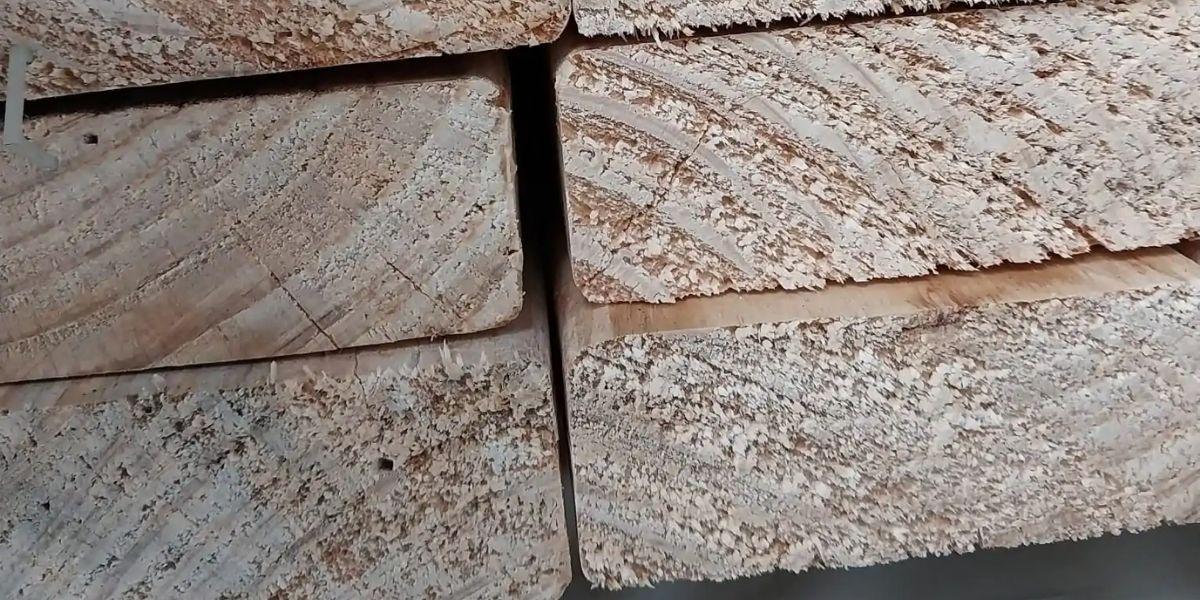
This may include:
- Longer spans between supports
- Multi-storey construction
- Floor systems where deflection control is critical
- Situations identified by engineers or designers as requiring higher stiffness
In many cases, the grade selection is driven by calculations rather than appearance. Two pieces of timber may look the same on site, but their assigned grade determines whether they meet the documented design.
That distinction matters during inspection.
A note on cost and substitutions
It’s natural to notice price differences between grades. But this is where builders need to be careful.
Substituting one grade for another, up or down, without approval is not just a commercial decision. It’s a compliance issue.
This is one of the most common problems we see.
A change that seems minor on-site can create real issues at the certification stage.
Grade selection must always align with:
- Engineering documentation
- Span tables and standards
- NCC requirements
- Surveyor expectations
If there’s uncertainty, the correct step is clarification, not substitution.
Common misunderstandings we regularly see
Over time, a few patterns come up again and again.
“MGP10 can’t be load-bearing.”
Incorrect. It can be, when designs allow for it.
“MGP12 is always safer.”
Not necessarily. Timber must match the design, not exceed it arbitrarily.
“If it looks the same, it must be fine.”
This is where people get caught out. Stamps and grades matter.
So how should builders approach MGP grades?
The most reliable approach is also the simplest:
- Understand what the grades represent
- Follow approved documentation
- Use timber that matches the specified grade
- When in doubt, confirm with the designer or certifier
At Timber Central, we supply timber to specification. We don’t override engineering decisions, and we don’t replace regulatory guidance with opinion. That’s how projects stay compliant and on track.
FAQs
What is the difference between MGP10 and MGP12 timber?
They have different strength and stiffness classifications under Australian Standards, which affect how they perform under load.
Is MGP12 stronger than MGP10?
Yes. MGP12 has higher characteristic performance values.
When should MGP12 be used instead of MGP10?
That decision is determined by design documents, engineering calculations, and applicable standards, not supplier preference.
Can MGP10 be used for load-bearing walls?
Yes, where designs and regulations permit it.
Final word
MGP grades aren’t about preference.
They’re about performance, documentation, and compliance.
Understand the difference. Respect the specification. And if you need timber supplied to match approved designs, that’s where Timber Central comes in.

