- Your cart is empty
- Continue Shopping




Signs of Termites Most Homeowners Miss (Until the Damage Is Done)
-
 By
Timber Central
By
Timber Central - Posted on
- Structural Timber

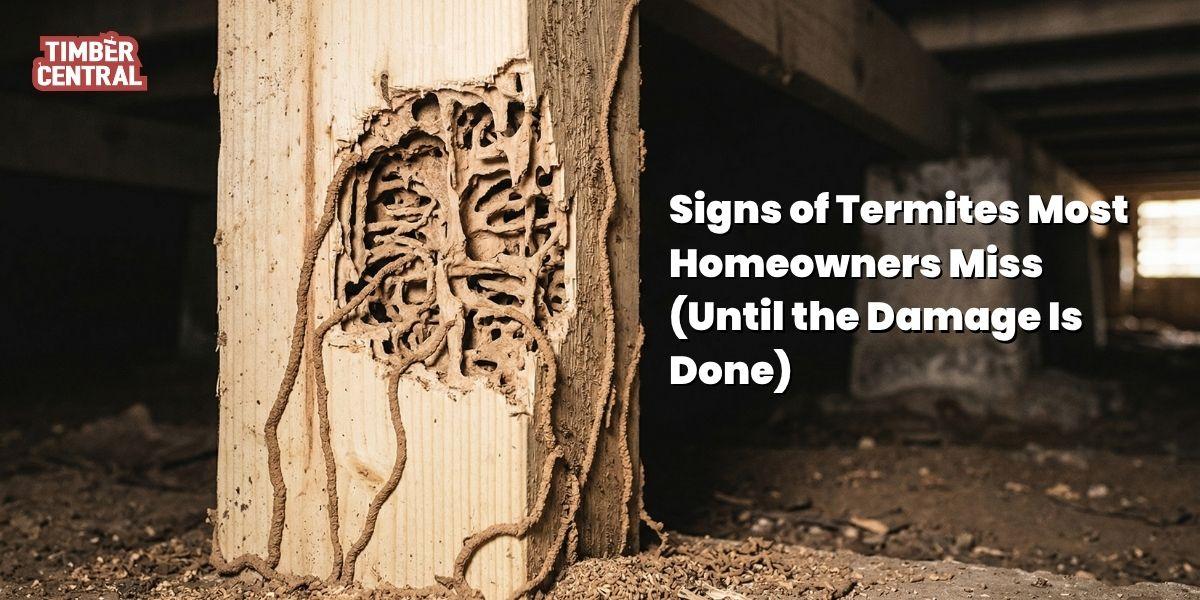
Table of contents
- What Early Termite Activity Usually Looks Like
- 1. Mud Tubes Along Timber or Foundations
- 2. Timber That Sounds Hollow When Tapped
- 3. Doors or Windows Suddenly Becoming Hard to Close
- 4. Bubbling or Distorted Paint on Timber Surfaces
- Why Timber Structures Need Special Attention
- The Biggest Mistake Homeowners Make
- When Timber Supply and Structural Quality Matter
- FAQs
Termites rarely announce themselves; no loud noise, no obvious warning, just slow, quiet damage happening inside the timber.
By the time visible destruction appears, the colony has often been active for months (sometimes years). Termites do not rush. Instead, they work patiently.
And timber structures make an ideal target if early signs are missed.
Across many inspections over the years, one pattern keeps showing up: the warning signs were there. Subtle, but there. The problem is that most people simply do not know what they are looking at.
So let’s break this down properly.
What Early Termite Activity Usually Looks Like
1. Mud Tubes Along Timber or Foundations
One of the clearest indicators of termite movement is the appearance of thin mud tubes running along surfaces.
These tubes look like narrow dirt tunnels attached to walls, foundations, or timber beams. They can appear along the side of a deck post or be hidden behind stored items in a garage.
Here’s why they matter.
Subterranean termites cannot survive long in the open air. They need moisture and protection from light. So they build these mud tubes as protected highways between the soil and the timber they are feeding on.
This is the main issue many homeowners overlook.
The tubes are small. Often mistaken for dried mud or dirt splashes. But once these tunnels appear, the colony is already active nearby. Thus, ignoring it can escalate the damage.
2. Timber That Sounds Hollow When Tapped
Solid structural timber should feel dense and firm. Always.
When termites consume wood, they rarely eat the outer surface first. They hollow out the inside and leave a thin external layer intact. From the outside, everything can look perfectly normal.
Tap the surface. It may sound empty.
This is often misunderstood. Many assume timber decay comes from moisture alone. In practice, termite galleries are a far more common cause of hollow-sounding timber in affected areas.
If timber suddenly sounds hollow where it previously felt solid, that’s not a small detail. It’s a warning.
3. Doors or Windows Suddenly Becoming Hard to Close
Timber swelling from moisture is the usual explanation offered when doors start sticking or window frames become tight. Sometimes that is correct.
But termite activity can cause the same symptoms.
As termites tunnel through structural timber, the internal strength of the wood weakens. Frames can shift slightly. Pressure changes across the structure. Suddenly, doors begin catching, or windows refuse to slide smoothly.
But because the problem looks like normal building movement, it rarely triggers suspicion. Many homeowners adjust the hinges and move on. Meanwhile, the underlying timber continues to deteriorate.
4. Bubbling or Distorted Paint on Timber Surfaces
Paint blistering is commonly blamed on humidity. Sometimes poor surface preparation.
But bubbling paint over timber can also mean termites are feeding just beneath the surface.
The thin outer timber layer begins separating from the internal structure as galleries expand. Moisture builds within these spaces. Eventually, the paint starts to lift or warp.
While this looks like a cosmetic issue, it can signal internal timber damage already underway.
By the time surface distortion appears, termites have usually been present for some time.
Why Timber Structures Need Special Attention
Timber is one of the most versatile and widely used structural materials in construction. It is strong, reliable and sustainable when sourced responsibly.
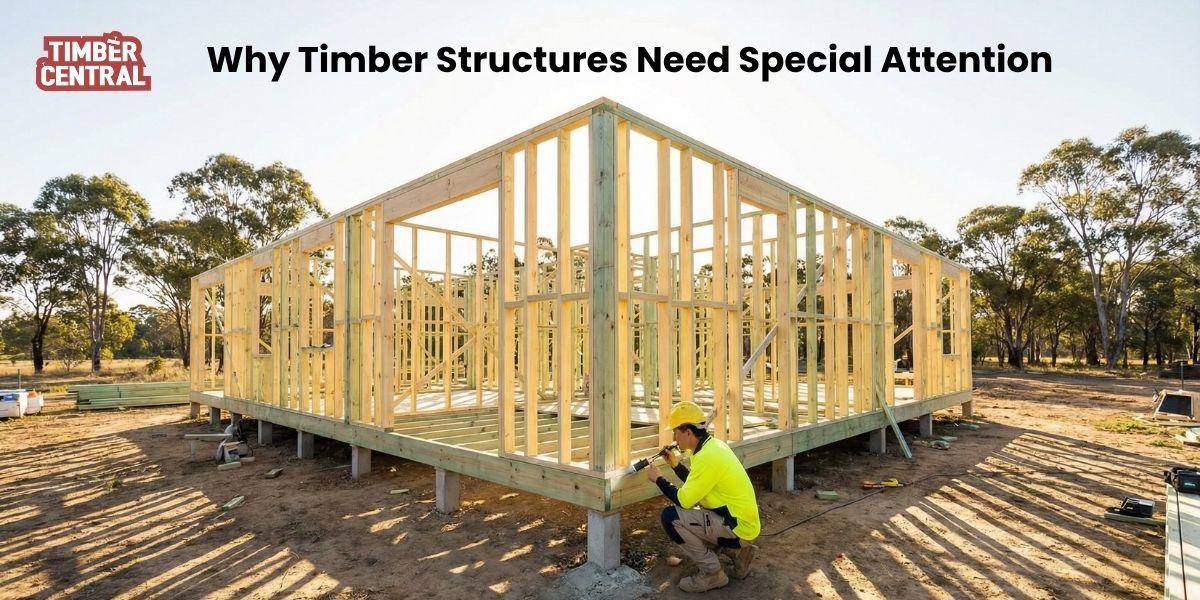
But untreated timber remains vulnerable to termite attack. That part cannot be ignored.
In Australia, building regulations and construction standards recognise this risk clearly. Specific treatment requirements exist for timber used in structural applications, especially in termite-prone areas.
This is where treated timber plays an important role.
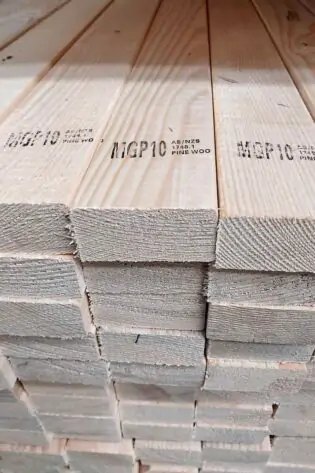
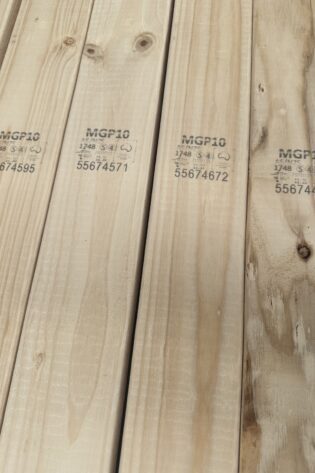
At Timber Central, the focus is on supplying structural timber that meets the required treatment standards for durability and resistance. Treated pine products, for example, are commonly used in many construction applications because they are processed to improve resistance against termites and environmental exposure.
Important clarification, though.
Material selection must always follow the requirements set by building authorities, engineers, and construction guidelines. Structural specifications are never determined by suppliers alone. Those decisions sit with the relevant professionals and regulatory standards.
But using properly treated timber, when specified, significantly improves durability. That is simply how modern construction manages risk.
The Biggest Mistake Homeowners Make
Waiting for visible damage.
By the time timber begins crumbling, sagging, or visibly collapsing, the colony has usually been active for a long time
Early warning signs are subtle, but they are present, for example, mud tubes, hollow timber, small structural shifts, and discarded wings.
Miss those signals and the repair costs climb quickly.
Across the industry, this pattern repeats constantly. Not because homeowners are careless. Mostly because the early clues are easy to dismiss.
Until they are not.
When Timber Supply and Structural Quality Matter
Construction quality always starts with the materials used. That includes structural timber.
Reliable supply of properly treated, construction-grade timber helps builders and contractors meet regulatory standards and improve long-term performance of timber structures.
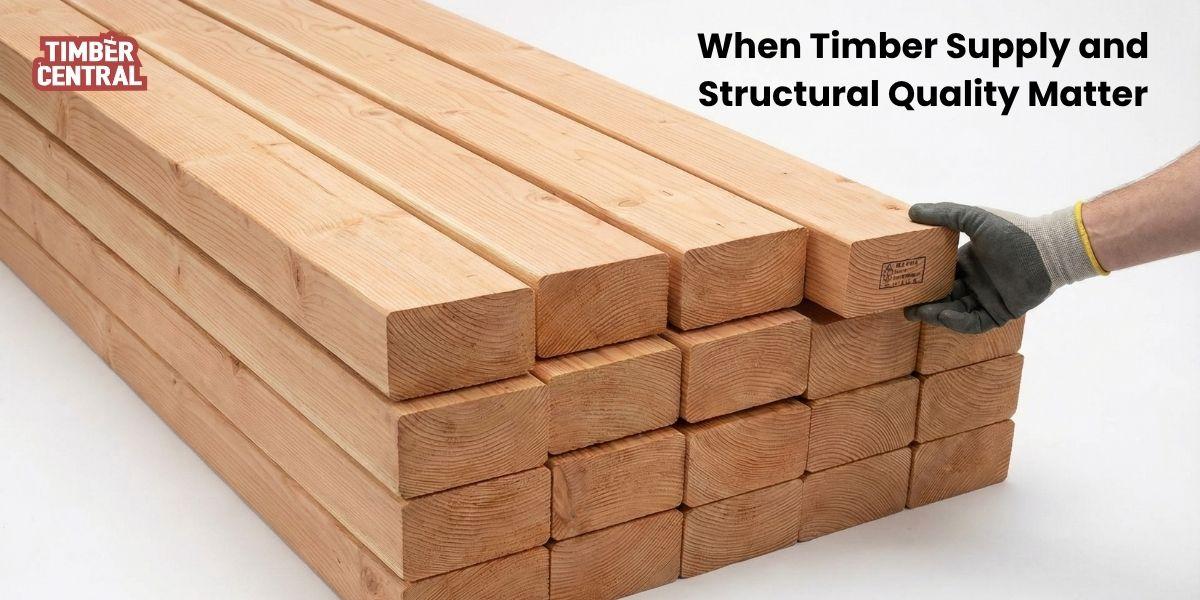
At Timber Central, Melbourne builders, contractors, and renovators source structural timber products, including treated pine, suitable for many framing and outdoor applications where treated timber is required by construction standards.
For builders planning new work or upgrades involving structural timber, the team at Timber Central can assist with sourcing compliant timber products and ensuring availability when projects demand it.
Because strong structures start with the right materials.
FAQs
How long can termites remain hidden in timber?
Quite a long time. Termites often feed inside timber for months or even years before obvious surface damage appears. Early detection usually depends on spotting subtle warning signs rather than visible destruction.
Does termite-resistant timber mean termites cannot attack it?
Not exactly. Termite-resistant timber is treated to make it significantly more resistant to termite activity. However, no material should be considered completely immune. Proper building design, inspections, and maintenance still matter.
Where are termite signs most commonly found around a home?
Mud tubes often appear near foundations, subfloors, retaining walls, or timber posts in contact with soil.
Can termites damage structural timber inside walls?
Yes. Wall framing timber is a common target because it remains hidden and undisturbed. This is why hollow-sounding walls or unexplained structural movement should never be ignored.
Is treated pine commonly used in Australian construction?
Yes. Treated pine is widely used in many structural and outdoor timber applications because it is processed to improve durability and resistance to pests and environmental conditions. However, the specific timber required for a project must always follow the relevant building regulations and structural specifications.