- Your cart is empty
- Continue Shopping

Treated Pine Sleeper: What It Is, Where It Works, and Where It Doesn’t
-
 By
Timber Central
By
Timber Central - Posted on
- Treated Pine

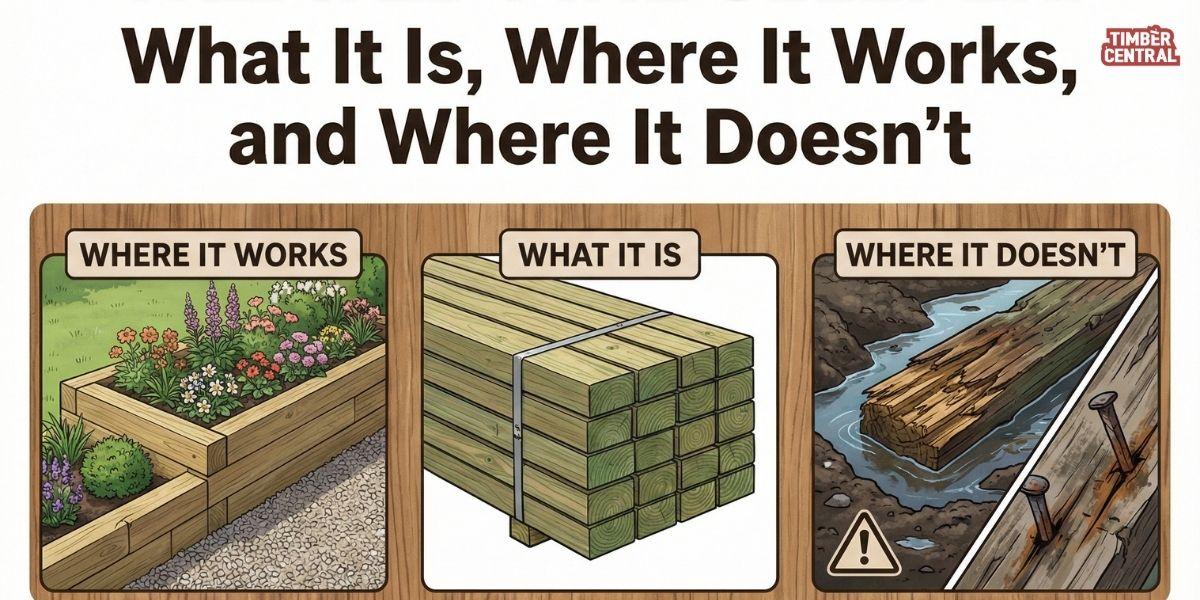
Table of contents
- What Is a Treated Pine Sleeper?
- Where Are Treated Pine Sleepers Commonly Used?
- What Are the Standard Treated Pine Sizes?
- What Are the Advantages of a Treated Pine Sleeper?
- What Are the Disadvantages?
- Do Treated Pine Sleepers Attract Termites?
- Are Treated Pine Sleepers OK for Vegetable Gardens?
- How Long Does a Treated Pine Sleeper Last?
- What Should Be Checked Before Buying?
- FAQs
- Final Thoughts
In landscaping and light structural work, one product keeps coming up: the treated pine sleeper.
It is solid and affordable. But not every sleeper pine treated product is suitable for every job. And this is where most people get caught out.
As a Melbourne-based timber supplier, Timber Central sees the same confusion repeatedly.
The material itself is reliable.
The misunderstanding around it? That’s the real problem. Let’s break it down properly.
What Is a Treated Pine Sleeper?
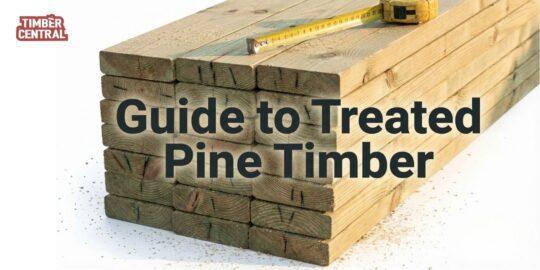
A treated pine sleeper is a sleeper made from pine timber that has been chemically treated to resist decay, fungi, insects, and moisture damage.
Pine on its own is not naturally durable in ground contact. Leave untreated pine in soil and it will deteriorate quickly.
Treatment changes that. The timber is placed under pressure so preservatives penetrate deep into the fibres. That treatment significantly increases lifespan, especially in outdoor conditions.
The treatment level determines where and how it can legally and safely be used.
Where Are Treated Pine Sleepers Commonly Used?
Most commonly, treated pine sleepers are used in:
- Retaining walls
- Garden edging
- Raised garden beds
- Steps and small landscaping structures
- Boundary features
While it looks like a universal solution, it’s not.
The suitability of any timber sleeper depends on load requirements, soil conditions, drainage, and compliance with local regulations. Timber Central cannot advise replacing one specified timber with another outside approved guidelines. Structural applications must always align with engineering and regulatory standards.
That’s non-negotiable.
What Are the Standard Treated Pine Sizes?
When discussing treated pine sizes, it usually refers to standard sleeper dimensions available in the market.
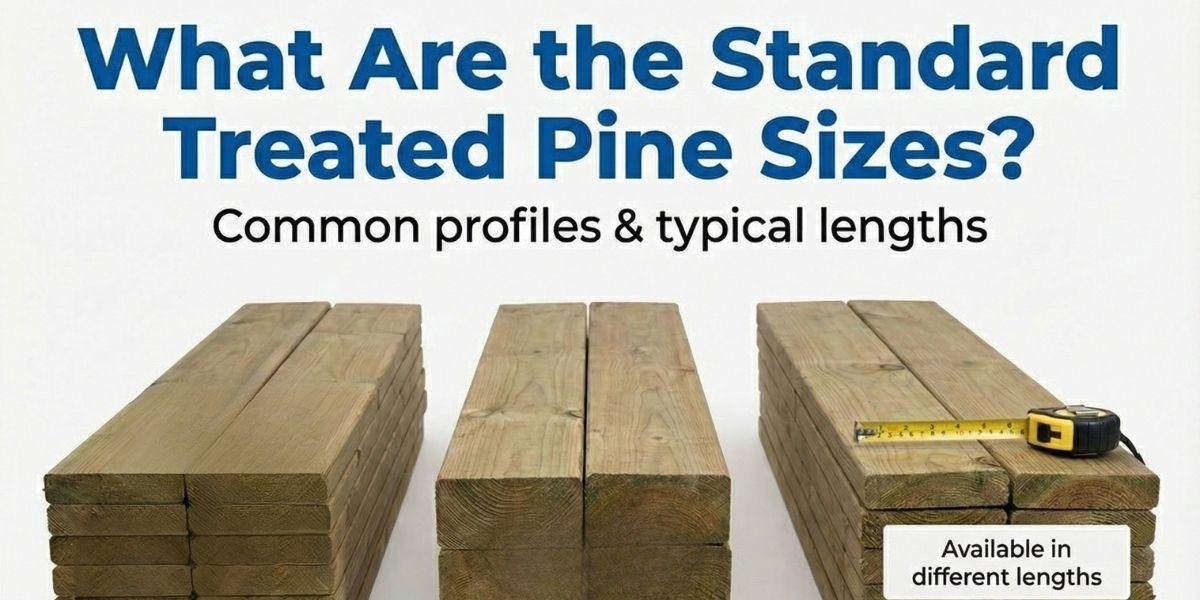
Common profiles include:
- 200mm x 50mm
- 200mm x 75mm
Lengths typically range from 2.4 LM up to 3.0 LM, sometimes longer depending on supply.
Here’s what many underestimate.
Thickness matters more than height, especially in retaining work. The biggest mistake seen repeatedly is selecting a sleeper based only on height, not structural demand.
Engineering loads, soil pressure, and drainage determine what size is appropriate. Not appearance.
What Are the Advantages of a Treated Pine Sleeper?
Let’s be clear. There are strong reasons this product remains popular.
1. Cost-Effective
Compared to many hardwood alternatives, treated pine sleepers are more affordable. For larger landscaping projects, this becomes significant.
Budget pressure is real. Treated pine often keeps projects viable.
2. Lightweight and Easy to Work With
Pine is easier to cut, drill, and manoeuvre than dense hardwoods. Installation tends to be faster. Labour savings follow.
3. Improved Durability Through Treatment
Properly treated sleepers offer good resistance against termites and decay when rated appropriately for the intended environment.
But this is where caution comes in. Not all treatments are equal.
What Are the Disadvantages?
No material is perfect. Treated pine included.
1. Treatment Level Limitations
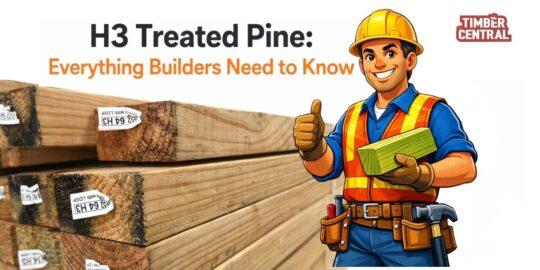
Different hazard levels (H3, H4, H5, etc.) determine suitability. Using the wrong rating in ground contact is the number one failure point.
This is the main issue seen in landscaping failures. Incorrect hazard class and everything else flows from that mistake.
2. Potential for Warping or Splitting
Pine is a softer timber. Over time, especially with moisture fluctuation, movement can occur. Some cracking is normal. Structural integrity depends on correct installation and support.
Many assume cracking means failure, but it usually doesn’t. But excessive movement often signals poor installation.
3. Chemical Concerns
Modern treatments are regulated and considered safe when used correctly. However, people still ask important questions, especially around gardens.
Which brings us to the big one.
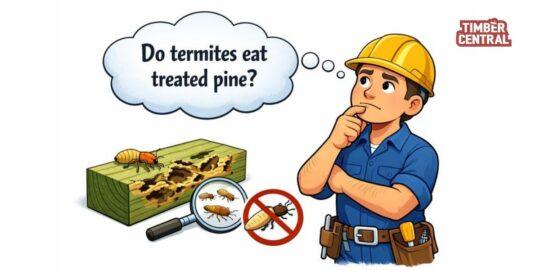
Do Treated Pine Sleepers Attract Termites?
Short answer: Properly treated sleepers are designed to resist termites.
The preservative treatment deters insect attack. That’s the purpose.
However, treatment does not eliminate termites from a property. It protects the timber itself. Surrounding structures remain vulnerable if not properly managed.
This distinction is critical. Many homeowners believe treated pine equals termite-proof property. It doesn’t.
Are Treated Pine Sleepers OK for Vegetable Gardens?
This is often misunderstood.
Modern treated pine sleepers use preservatives approved for residential use. When used correctly, they are commonly installed in garden beds.
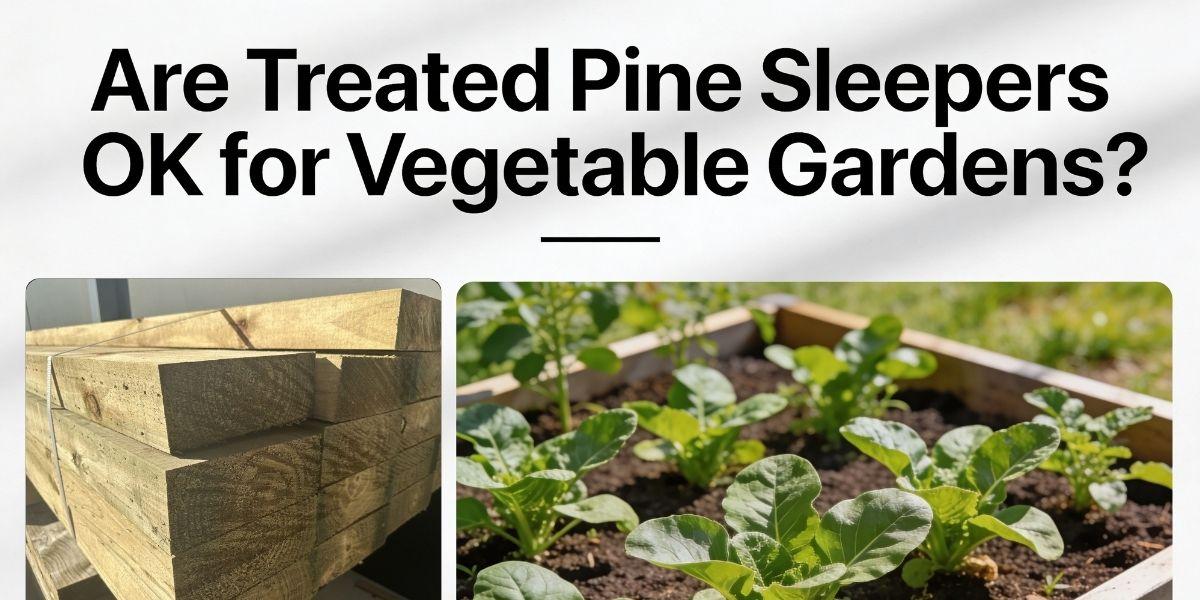
That said, regulations and personal comfort levels vary. Some gardeners prefer additional barriers, such as a plastic lining between soil and timber. Others opt for alternative materials.
One timber cannot be prescribed over another for specific applications. Compliance with local guidelines and health standards always governs material choice.
If unsure, consult local building or environmental authorities. That is the responsible approach.
How Long Does a Treated Pine Sleeper Last?
Lifespan depends on:
- Treatment rating
- Soil drainage
- Installation quality
- Ongoing exposure to moisture
In well-drained conditions with correct hazard treatment, sleepers can last many years. In poorly drained clay soil with incorrect rating? Failure can occur far sooner.
Drainage is often ignored. That’s a mistake. Water is timber’s greatest enemy.
What Should Be Checked Before Buying?
This is where projects succeed or fail.
Before selecting any timber sleeper:
- Confirm hazard rating
- Confirm engineering requirements (if structural)
- Check local council or building compliance
- Consider drainage design
- Confirm correct treated pine sizes for load
Skipping these steps leads to premature replacement and extra cost.
This point matters more than most realise.
FAQs
Can treated pine sleepers be painted or stained?
Yes. Once sufficiently dry, they can be coated with exterior-grade paints or stains. Proper preparation improves finish longevity.
Do treated pine sleepers need sealing?
They do not require sealing for durability, as treatment protects against decay. However, surface coatings may reduce weathering and improve appearance.
Are treated pine sleepers environmentally safe?
Modern treatments are regulated for residential use. Compliance with Australian standards ensures suitability when used correctly.
Can treated pine sleepers be used structurally?
That depends entirely on engineering design and regulatory approval. Structural use must align with authority guidelines. Material selection is not a casual decision.
Final Thoughts
The treated pine sleeper remains a practical, versatile timber solution. Affordable. Accessible. Durable when used correctly.
But most failures are not caused by the product. They’re caused by incorrect specification, poor drainage, or misunderstanding hazard ratings.
Get those right, and treated pine performs.
Get them wrong, and no timber will save the project.