- Your cart is empty
- Continue Shopping

5 Common Mistakes People Make with Yellow Tongue Flooring (and How to Avoid Them)

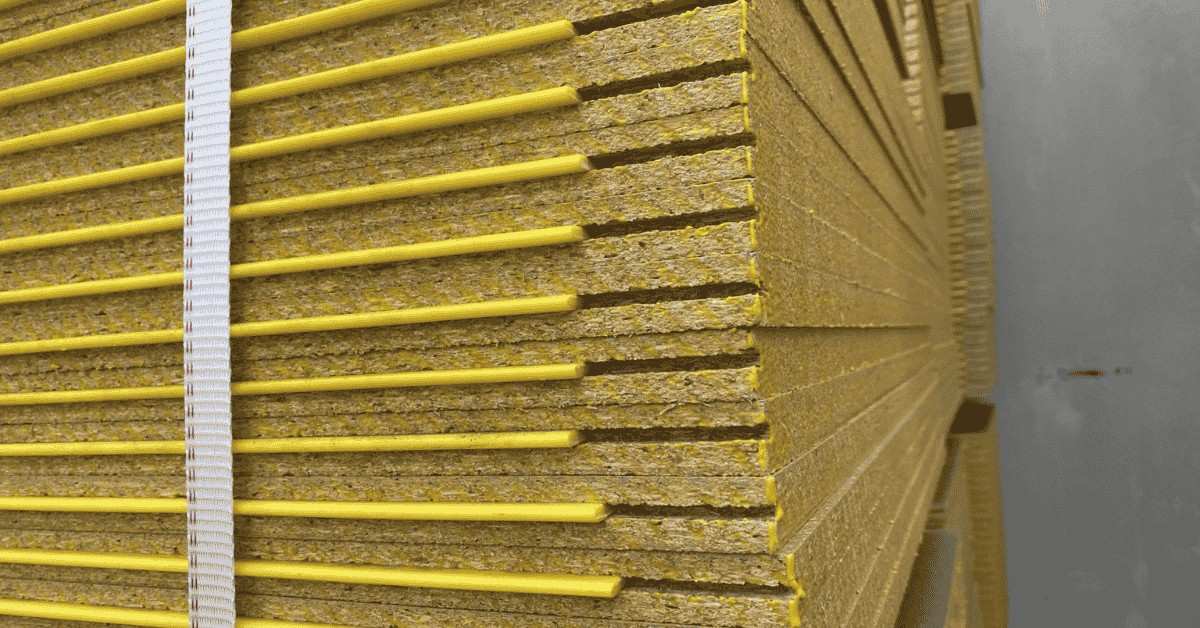
Correctly installed Yellow Tongue flooring gives you a reliable and sturdy base. Most issues come from simple oversights during installation. These mistakes can lead to swelling, squeaks, or a floor that does not last. The good news is that each of these problems is avoidable.
Here are the five mistakes seen most often on Australian sites and how you can prevent them.
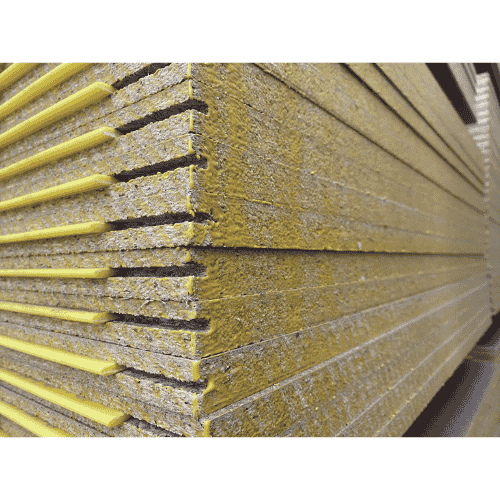
1. Poor Moisture Control During Installation
Many people lay Yellow Tongue sheets before the building is fully protected from rain or damp air. Sheets are sometimes left uncovered overnight or stored on bare ground. This exposes the boards to moisture, which causes swelling and soft spots later.
This is a mistake because Yellow Tongue is moisture-resistant, not waterproof. Extended exposure weakens the sheet and reduces its life span. Even a few days of uncontrolled moisture can show up as raised joints or uneven areas once the floor covering goes down.
To avoid this, keep the sheets covered, dry, and stored off the ground. Install them only once the structure is mostly enclosed. Protect the floor from pooling water and weather during the early stages of construction.
2. Laying Sheets on an Uneven or Poorly Prepared Sub-floor
Some installers place the sheets straight onto joists without checking spacing, straightness, or level. Others assume the frame is “close enough” and move on quickly. This creates slight dips, raised spots, or flex under pressure.
This is a mistake because Yellow Tongue flooring relies on stable support. Even small irregularities in the frame transfer through the sheet and affect the final floor. Over time, you get squeaks, movement, and uneven finishes.
Check the joists before any sheet is fixed. Confirm spacing matches the sheet rating. Make sure the frame is level and secure, and choose the correct sheet thickness for the load. A sound base gives the floor its strength.
3. Forgetting About Expansion Gaps
It is common to see sheets pushed tightly against each other or hard against walls. People often think a tight fit makes the floor stronger.
This is a mistake because Yellow Tongue, like all timber-based products, moves with changes in humidity. Without gaps, the sheets press into each other as they expand. This leads to buckling, raised edges, or cracks in the floor covering.
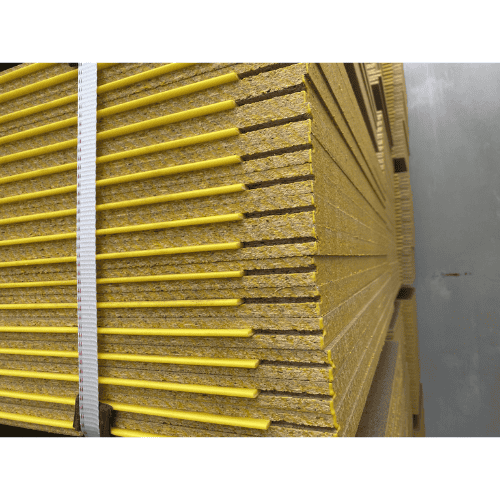
Leave the correct gap around the perimeter and between sheets, as the manufacturer recommends. Let the sheets settle for a short period on-site before fixing them. A small allowance for movement prevents major floor issues later.
4. Using Yellow Tongue as a Finished Floor
Some renovators try to save money by using Yellow Tongue as the final walking surface. Others coat it lightly and expect it to perform like a finished floorboard.
This is a mistake because Yellow Tongue is a structural subfloor, not a finished product. It is built for strength, not appearance or long-term surface wear. When left exposed, it marks easily, absorbs stains, and wears down fast.
Use Yellow Tongue where it works best: as a strong base under carpet, vinyl, tiles, or timber flooring. If you want an exposed timber look, choose a product designed for that purpose.
5. Incorrect Fixing and Poor Joint Alignment
Rushed installation often leads to misaligned tongue-and-groove joints. Nails or screws are sometimes placed at the wrong spacing. Some installers force joints rather than seating them properly.
This is a mistake because joint alignment and correct fixing hold the entire floor together. If these steps are ignored, the sheets move and rub against each other. This creates squeaks, uneven areas, and weak points that show up once the home is lived in.
Follow the fastening pattern set by the manufacturer. Check alignment every few sheets. Stagger joints and ensure the tongue-and-groove slots lock in smoothly. Careful fixing protects the structural integrity of the floor.
Final Advice
Yellow Tongue flooring performs well when installed with care. Moisture control, preparation, correct spacing, and proper fixing shape the long-term performance of the floor. A few extra checks during installation can save you significant repair costs later.
If you need guidance on the right materials, Timber Central can assist. They supply LVL and reliable building products and can help you choose the right options for your project. Reach out for support before you install, and you will avoid most of the problems that others face.
FAQ
Can Yellow Tongue flooring be left exposed to the weather?
Only for short periods. It must be protected from direct rain and stored off the ground.
Do expansion gaps really matter?
Yes. Without them, the sheets can push against each other and lift.
What sheet thickness should be used?
Most homes use 19 mm. The frame spacing and expected load determine the correct thickness.
Can I install floor coverings straight over Yellow Tongue?
Yes, once joints are secure and the surface is sound. It is designed as a subfloor.