- Your cart is empty
- Continue Shopping

Maintaining Yellow Tongue Flooring: Best Practices Every Homeowner Should Know

How often do you actually think about the floor under your feet?
If you’ve chosen Yellow Tongue flooring, chances are you did it for a reason. It’s tough, reliable and built to handle real Aussie conditions. But here’s something many people overlook: even the most durable flooring needs the right care. Ignore it, and you could be setting yourself up for costly repairs down the track.
So, what exactly is Yellow Tongue flooring?
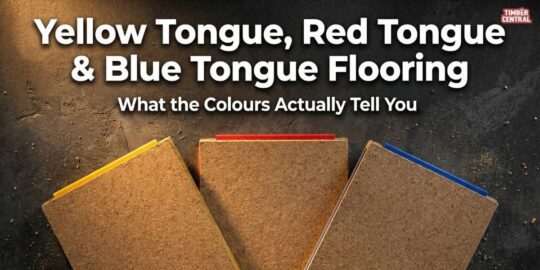
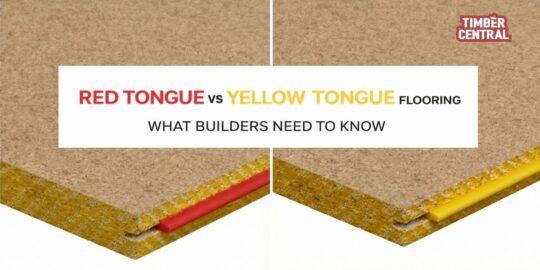
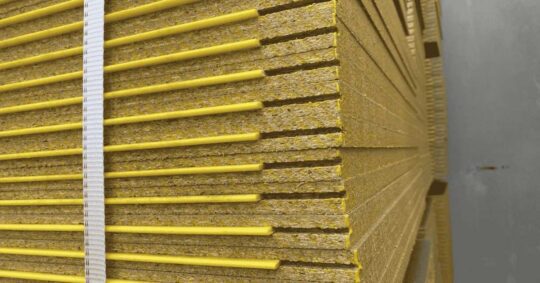
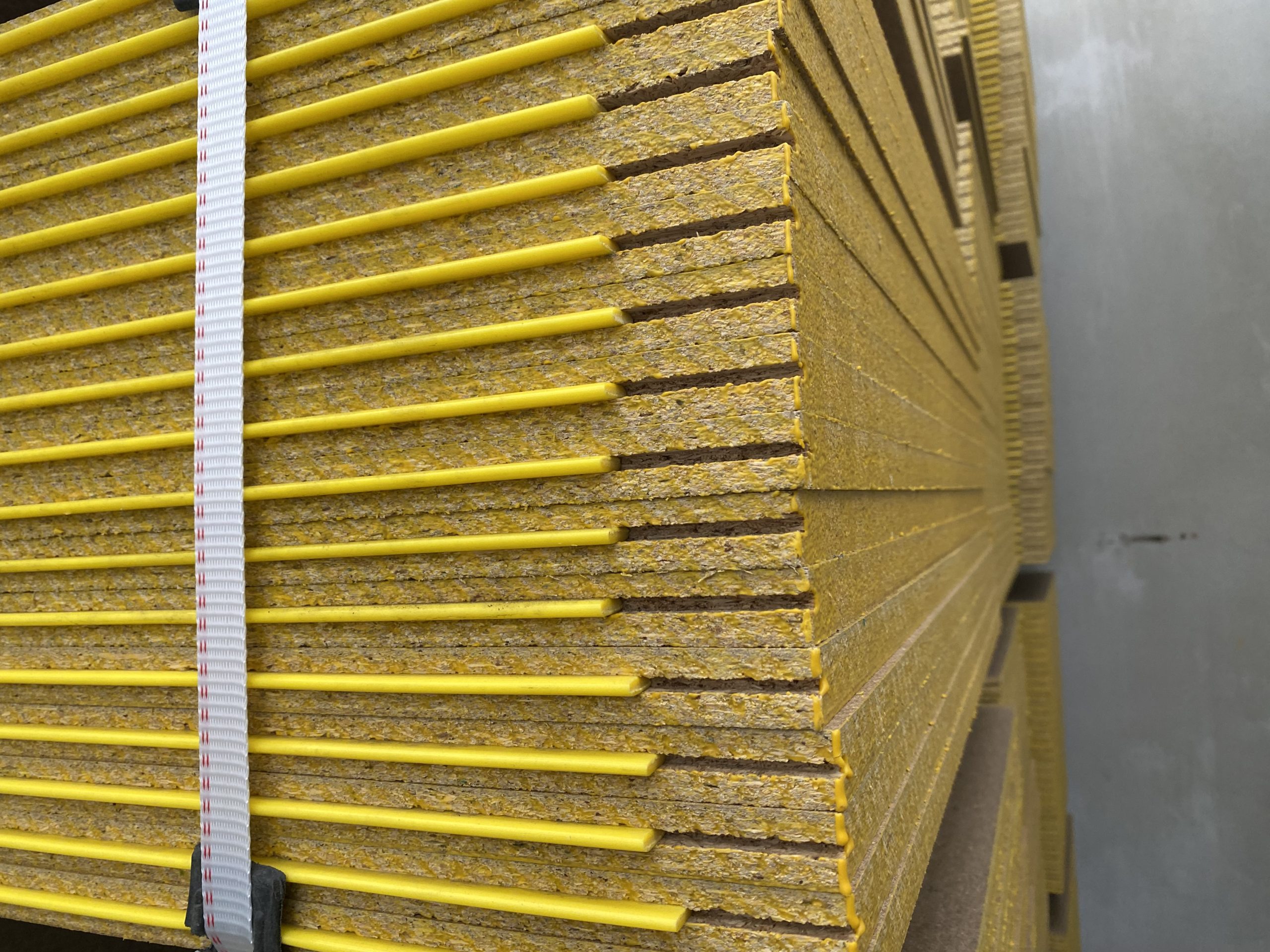
You’ll find it on building sites all over Australia. It’s that moisture-resistant particleboard with the signature yellow edge. Designed for strength, it’s ideal for subfloors in residential builds. But here’s the catch: it’s moisture-resistant, not waterproof. And that distinction matters more than you might think.

“It’s just a subfloor. So, how much maintenance does it really need?”
Quite a bit, actually.
Think of it like your car. You wouldn’t leave it out in the rain, never wash it, and expect it to run perfectly forever. Your flooring is no different. If you let water, dirt, or general site mess build up, it doesn’t take long before issues like swelling, warping, or mould start to appear.
The biggest threats? Moisture, mess, and neglect
Yes, Yellow Tongue is built tough, but it’s not invincible. If you’re mid-construction or doing renovations, it’s often left exposed. And if it gets wet or too dirty, it starts to wear down faster than it should.
Here is what to look out for:
- Standing water from rain or spills
- Heavy foot traffic with muddy or wet boots
- Lack of cleaning, especially during building or renovation
- Delays in finishing, where exposed boards sit untreated for too long
Practical maintenance tips (worth the effort)
Looking after Yellow Tongue doesn’t take much, but it does make a difference. A few simple habits can save you a headache later on:
- Keep it dry. Cover exposed areas with plastic sheeting or tarps, especially if rain is on the way.
- Clean it regularly. Don’t let mud, plaster, or sawdust build up. A quick sweep goes a long way.
- Seal exposed edges if the floor is left open for a while.
- Wipe up spills straight away. Never leave standing water—ever.
- Protect it during renovations. Lay down boards or mats before dragging heavy gear across it.
What if it’s already been neglected?
If your Yellow Tongue flooring has already seen a bit of wear, don’t panic. You might still be able to fix minor issues, especially if caught early. But don’t wait too long. Once moisture damage sets in, repairs get expensive fast.
It’s always better to take preventative steps than to deal with replacements later.
The bottom line
Yellow Tongue flooring is strong and made to last, but only if you treat it right. Looking after it properly doesn’t take much effort, but it can save you serious money and hassle. And whether you are mid-build or planning a future project, it is worth making sure your subfloor is protected from the get-go.
Need help or advice?
At Timber Central, we specialise in supplying quality Yellow Tongue flooring made for tough Aussie conditions. We know what works, and we are happy to help you make the right choice for your build, whether you’re starting fresh or giving your existing floor the attention it deserves.
Have questions or need the right products to protect your floor? Get in touch with Timber Central today. We’re here to help.