- Your cart is empty
- Continue Shopping

Three Hidden Signs Your Timber Supplier Is Delivering Low Quality Structural Grade Wood
-
 By
Timber Central
By
Timber Central - Posted on
- Structural Timber

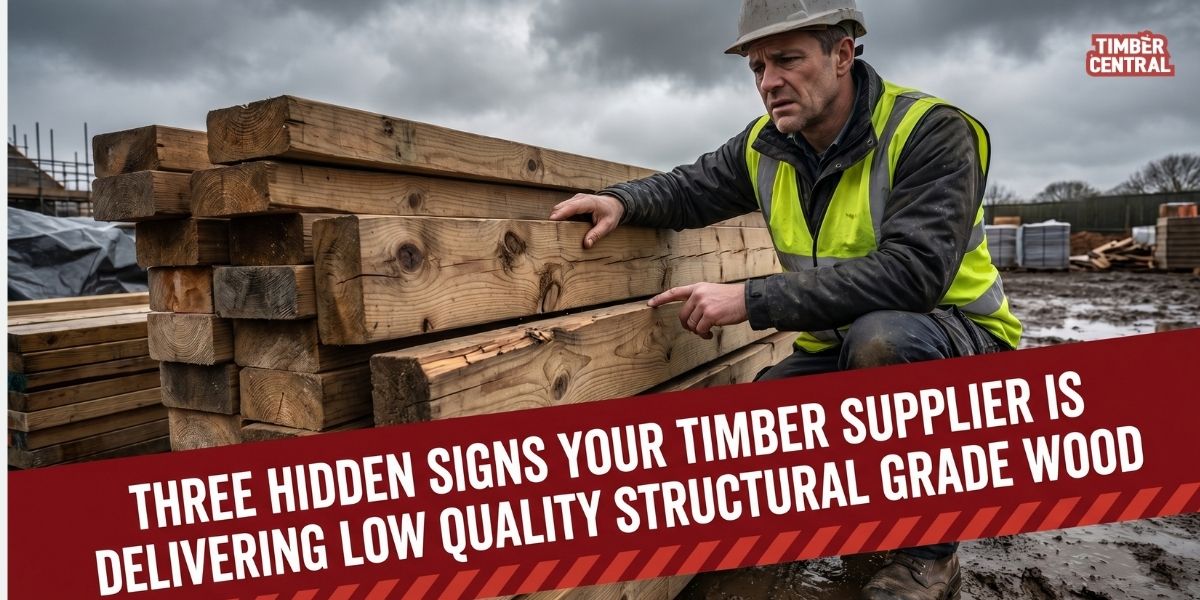
Table of contents
Choosing the right timber supplier is not just about pricing or delivery times. That is where many builders, contractors, and property owners get caught out. Structural timber can look perfectly acceptable on arrival and still create serious problems once construction begins.
Poor-quality structural-grade wood does not always announce itself with obvious defects. In many cases, the warning signs are subtle. By the time the issue becomes obvious, delays and replacement costs have already started stacking up.
At Timber Central, Melbourne-based timber suppliers, we regularly work with builders and trades across different project scales, and one pattern appears again and again. The biggest problems usually begin with suppliers cutting corners quietly, not openly.
Here are three hidden signs that deserve attention before structural issues become expensive ones.
Why Does Structural Timber Quality Matter So Much?
Structural timber is not a decorative material. It carries loads, supports framing systems, and affects long-term stability. If the grade is inconsistent or poorly handled during manufacturing and storage, the consequences spread through the entire project.
And a lot of low-quality timber supplies still look acceptable at first glance. Fresh cuts can hide moisture problems. Surface appearance can distract from grading inconsistencies. Everything may seem compliant, but in practice, it is not.
This is often misunderstood by people focusing only on price comparisons.
The requirement or choice of timber for structural applications must always align with Australian regulations, engineering requirements, and relevant building authority guidelines. No reputable supplier in the timber business should suggest materials outside those standards simply to reduce costs.
Sign 1: The Timber Arrives with Inconsistent Grading and Markings
This is the main issue to watch closely.
Reliable structural timber should arrive with clear and consistent grading stamps, treatment markings, and certification details. Missing stamps or unclear identification usually point to weak quality control somewhere in the supply chain.
Many people assume grading is just administrative paperwork. But structural grades exist for a reason. They indicate whether the timber meets required performance standards under load conditions. If markings vary between pieces in the same order, or some lengths appear unmarked altogether, there is usually a deeper issue behind it.
In practice, this is rarely handled correctly by low-end suppliers.
Common warning signs include:
- Different grading marks within supposedly identical batches
- Faded or partially missing supplier identification
- Timber sizes varying slightly across the same delivery
- Inconsistent straightness and edge quality
It sounds simple, but it isn’t. Small inconsistencies often point to poor sorting processes or mixed stock handling.
And mixed stock becomes a problem fast on structural projects.
Sign 2: Moisture Problems Keep Appearing on Site
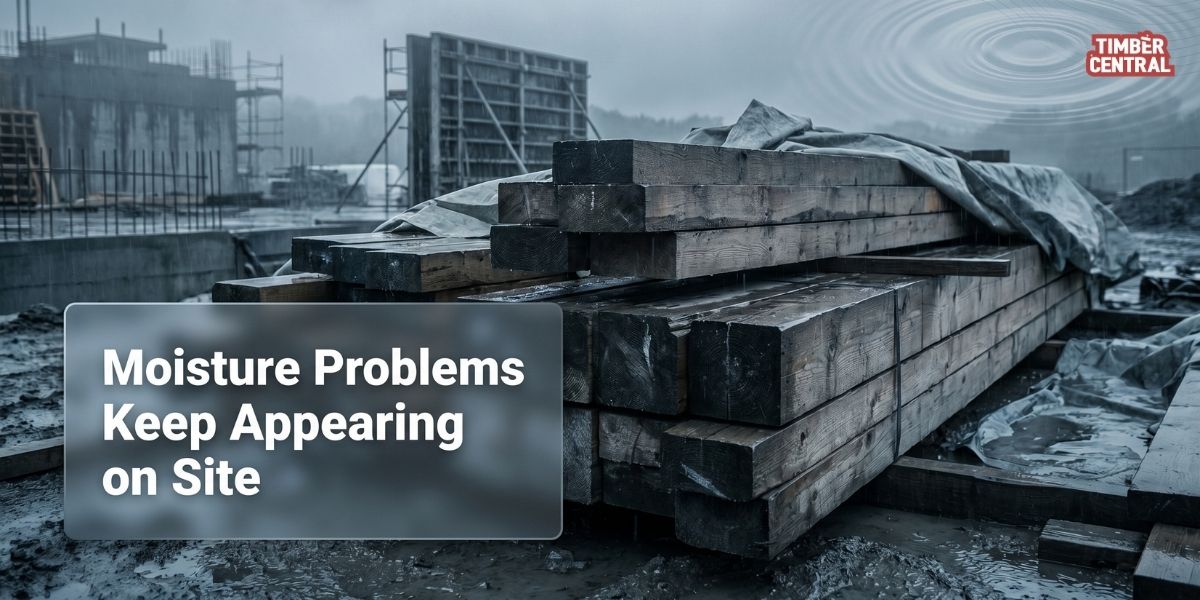
This is where most people get caught out because moisture issues are not always obvious immediately.
Structural timber that has been stored poorly or transported without proper protection may retain excessive moisture levels. The timber can still look clean and usable during delivery. A few weeks later, movement begins.
Experienced builders regularly notice one pattern with unreliable timber supplies. Moisture inconsistencies tend to appear across the same shipment rather than isolated boards. That usually means storage standards were compromised before delivery.
Here’s the bigger problem.
Excess moisture affects more than appearance. It can interfere with structural stability, framing alignment, fixing performance, and finishing quality. Once timber starts moving after installation, rectification becomes expensive and time-consuming.
This is often misunderstood during procurement because many buyers focus only on immediate availability.
Reliable suppliers of timber maintain proper storage conditions and consistent handling procedures long before timber reaches the site. That part matters more than people realise.
Sign 3: The Supplier Avoids Technical Questions
A dependable timber supplier should be comfortable discussing grading standards, treatment processes, storage conditions, and sourcing consistency. Hesitation during those conversations usually signals trouble.
Not every issue comes from bad timber itself. Sometimes the bigger issue is poor transparency.
If responses become vague when discussing structural certification or engineered timber products, pay attention. Experienced suppliers understand that professional buyers need technical clarity, not sales talk.
Many suppliers cutting corners often rely on broad claims like “industry standard quality” without providing specifics around compliance, grading systems, or sourcing consistency. That becomes risky when structural requirements are involved.
Questions a reliable supplier should answer clearly include:
- How is the structural timber graded?
- What storage practices are used before dispatch?
- Are engineered timber products sourced from certified manufacturers?
- How is batch consistency maintained?
- What documentation accompanies deliveries?
A supplier avoiding direct answers usually knows there is a reason to avoid them.
How Reliable Timber Suppliers Reduce Structural Risks
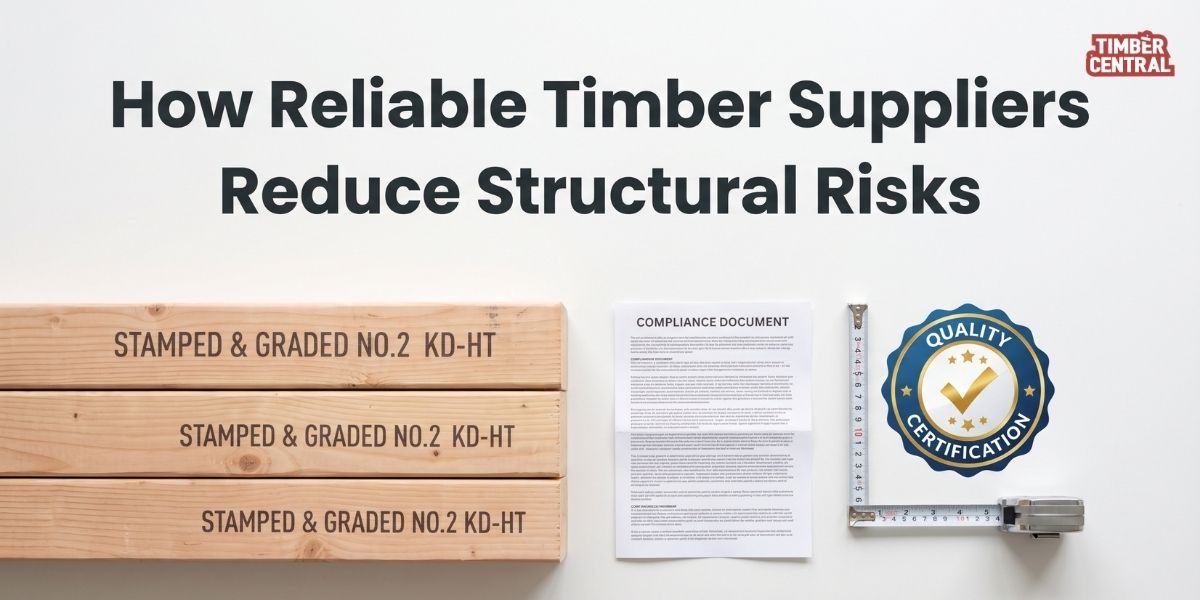
Good suppliers do more than deliver timber.
They maintain consistent sourcing standards, monitor storage conditions carefully, and understand how construction timelines affect timber performance on site. More importantly, they recognise that structural materials are tied directly to compliance obligations and safety outcomes.
That responsibility cannot be treated casually.
At Timber Central, the focus remains on supplying timber products that align with applicable standards, project specifications, and authority requirements. The right structural material always depends on engineering documentation and regulatory guidelines specific to the project.
No responsible supplier should oversimplify that decision. Because once structural problems appear, fixing them is rarely simple.
Final Thoughts
Low-quality structural timber rarely announces itself immediately. That is why buyers miss the warning signs so often.
Inconsistent grading. Moisture instability. Weak technical transparency. Those three issues cause more long-term project headaches than most people expect.
And unfortunately, the damage usually appears after installation begins.
The right timber supplier is not simply the cheapest option or the fastest delivery available that week. A reliable supplier understands compliance requirements, handles timber correctly throughout the supply chain, and communicates clearly when technical questions arise.
That difference becomes very obvious once construction is underway.
FAQs
How can structural timber quality be verified before purchase?
Check for grading stamps, certification markings, supplier documentation, and consistency across batches. Reliable timber suppliers should also explain storage and handling practices clearly.
Are engineered timber products safer than traditional timber?
Engineered timber products are designed for specific structural applications and must meet relevant standards and engineering requirements. Suitability always depends on project specifications and regulatory guidelines.
Why does timber moisture content matter?
Excess moisture can cause movement after installation, including warping, shrinking, and twisting. This can affect framing accuracy and long-term structural performance.
What should buyers ask a supplier before ordering structural timber?
Ask about grading standards, sourcing consistency, storage conditions, certification, and documentation provided with deliveries. Clear answers usually indicate stronger quality control processes.
Can low-quality timber still pass visual inspection?
Yes. That is one of the biggest risks. Structural timber may appear acceptable visually while still containing grading inconsistencies or moisture problems that only become visible later.
How important is supplier transparency in structural timber supply?
Very important. Suppliers handling structural timber should communicate clearly about compliance, grading, and sourcing. Vague answers are often a warning sign that quality controls may be inconsistent.