- Your cart is empty
- Continue Shopping

LVL Timber in Construction: Benefits, Limitations, and Common Pitfalls
-
 By
Timber Central
By
Timber Central - Posted on
- LVL F17/E14 H2S

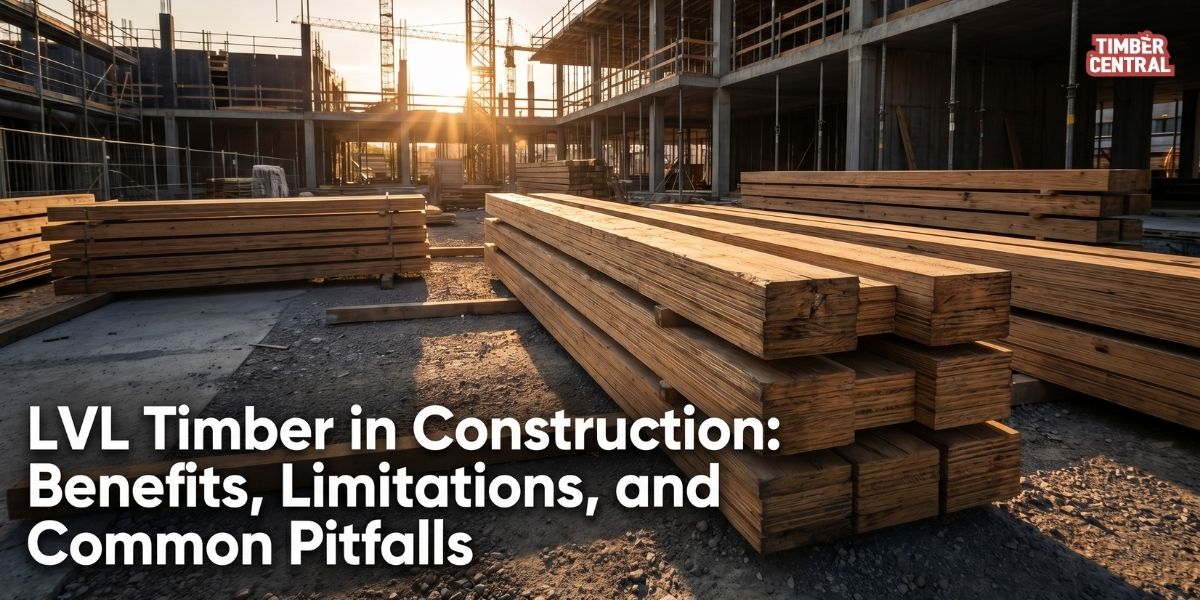
Table of contents
LVL has become a standard part of modern construction, especially when structural performance cannot be left to chance. It shows up in drawings, specifications, and site discussions with increasing frequency. That much is clear.
What is less clear is how well it is actually understood.
Here’s how to think about it properly.
What Is LVL and Why Is It So Common?
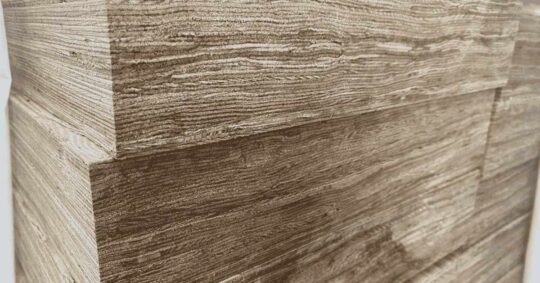
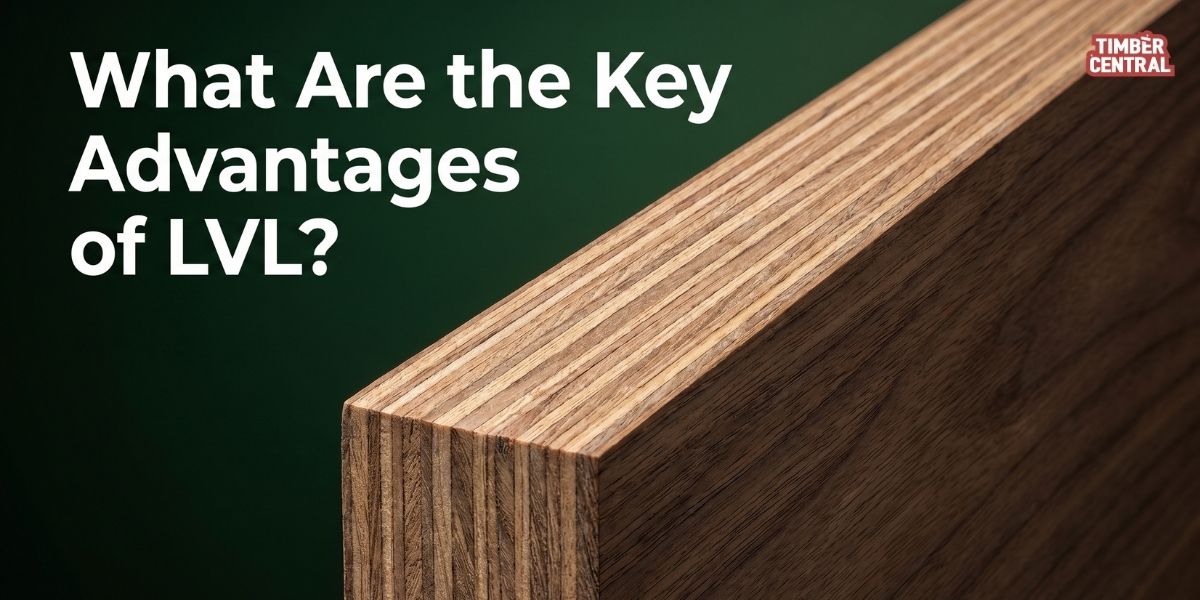
LVL is manufactured by bonding thin wood veneers together under heat and pressure, with the grain aligned in one direction. This alignment is what gives it strength and consistency.
While that sounds straightforward, it changes how structural timber behaves.
Traditional timber can vary quite a bit. Knots, grain direction, and moisture content all influence performance. LVL removes much of that variability, which is why engineers rely on it for predictable outcomes.
And in construction, predictability is often more valuable than raw strength.
Where Does LVL Actually Fit in Construction?
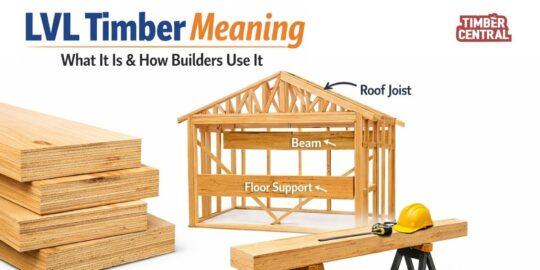
LVL is typically used in structural roles where reliability is critical. That includes beams, lintels, floor joists, and roof members, especially in situations involving longer spans or higher loads.
However, many compare LVL with standard timber without factoring in load conditions or span requirements. That comparison rarely holds up under scrutiny.
In practice, LVL is chosen because it performs consistently under pressure, not because it is universally superior.
What Are the Key Advantages of LVL?
1. Structural Consistency You Can Rely On
LVL is engineered to deliver uniform strength across its length. There are no hidden weak points caused by knots or irregular grain.
This reduces uncertainty during both design and installation. When loads are involved, uncertainty is the real risk. Remove that, and the entire structure becomes more predictable.
2. Longer Spans Without Compromise
LVL can cover longer distances compared to many traditional timber sections of similar size. That allows for more open layouts and fewer structural supports.
However, span capacity is not a free choice. It must align with engineering calculations and building codes. Ignoring that is where projects start to go off track.
3. Improved Dimensional Stability
LVL is far less likely to warp, twist, or shrink over time. That stability plays a bigger role than most expect.
Movement in structural members leads to cracks, alignment issues, and rework. These are not cosmetic problems. They affect performance and cost.
4. Efficient Use of Timber Resources
Because LVL is made from veneers, it can utilise smaller logs more effectively than solid timber products. This improves yield and reduces waste across the supply chain.
It may not be the first thing considered during material selection, but it is becoming increasingly relevant.
What Are the Downsides That Need Attention?
1. Moisture Exposure Needs Careful Management
LVL is not designed for prolonged exposure to moisture. While treatments and sealants do improve durability, they work best when paired with proper on-site handling.
This is where most projects need a bit more attention. Materials sometimes remain exposed longer than intended, often due to scheduling overlaps. The impact is not always immediate, which is why it tends to be overlooked early on.
Handled correctly, this is rarely an issue. It just needs to be managed with intent.
2. Higher Upfront Cost
LVL typically comes at a higher initial cost compared to standard structural timber. That part is expected, given how it is manufactured.
Where things often get misread is in the overall value. Installation efficiency, reduced waste, and consistent performance can balance out that upfront difference over the course of a project. Cost still matters, of course, but it is better viewed in context rather than in isolation.
3. Handling and Storage Require Attention
LVL performs best when it is stored flat, kept dry, and supported properly before installation. These are straightforward requirements, yet they do need to be followed consistently.
When storage is rushed or overlooked, small issues can develop over time. They are not always obvious at first, which is why this step carries more weight than it appears to.
4. Primarily Structural in Appearance
LVL is designed with structural performance in mind rather than visual finish. For most applications, that is exactly what is needed.
Where appearance becomes important, such as in exposed elements, additional finishing or cladding may be considered. It is not a limitation as much as it is a design consideration that should be accounted for early.
How Should LVL Be Approached in a Project?
Material selection is not a matter of personal preference. It is dictated by engineering designs, building codes, and regulatory requirements. That applies across Australia, including Melbourne.
At Timber Central, the approach stays consistent. The focus is on supplying what has been specified and approved, nothing more and nothing less.
But substituting materials without proper approval is not a small decision. It can lead to compliance issues, structural concerns, and costly corrections.
Common Misunderstandings That Cause Problems
Several patterns show up repeatedly.
Some believe LVL can replace any timber product without consequence. That is incorrect because every application has specific structural requirements.
Others assume LVL does not need protection from the elements. This is often misunderstood, and it leads directly to premature deterioration.
There is also a belief that LVL is always stronger in every scenario. Strength depends on how and where it is used. Without proper design context, that assumption falls apart quickly.
Final Thoughts
LVL is a highly effective structural material when used correctly. It delivers consistency, strength, and reliability where those qualities are essential.
At the same time, it demands proper handling, correct specification, and strict compliance with regulations. Ignore any of these, and the benefits start to disappear.
This is not about choosing the “best” timber. It is about using the right material for the right purpose, exactly as specified.
FAQs
What is LVL used for?
LVL is used in structural applications such as beams, joists, lintels, and rafters where consistent strength and reliability are required.
Is LVL suitable for outdoor use?
It can be used in exposed conditions only if it is properly treated and protected against moisture.
Why is LVL more expensive than regular timber?
The manufacturing process and engineered consistency increase cost, but this can be offset by reduced waste and improved installation efficiency.
Does LVL require special storage?
Yes, it should be stored flat, kept dry, and protected from weather exposure before installation.
Can LVL be substituted for other timber products?
Only if approved by engineers and compliant with building regulations. Unauthorised substitution creates risk.
Is LVL always the better option?
Not necessarily. Its suitability depends on the structural requirements and regulatory specifications of the project.