- Your cart is empty
- Continue Shopping

Yellow Tongue, Blue Tongue and Red Tongue Flooring: What the Colours Actually Tell You

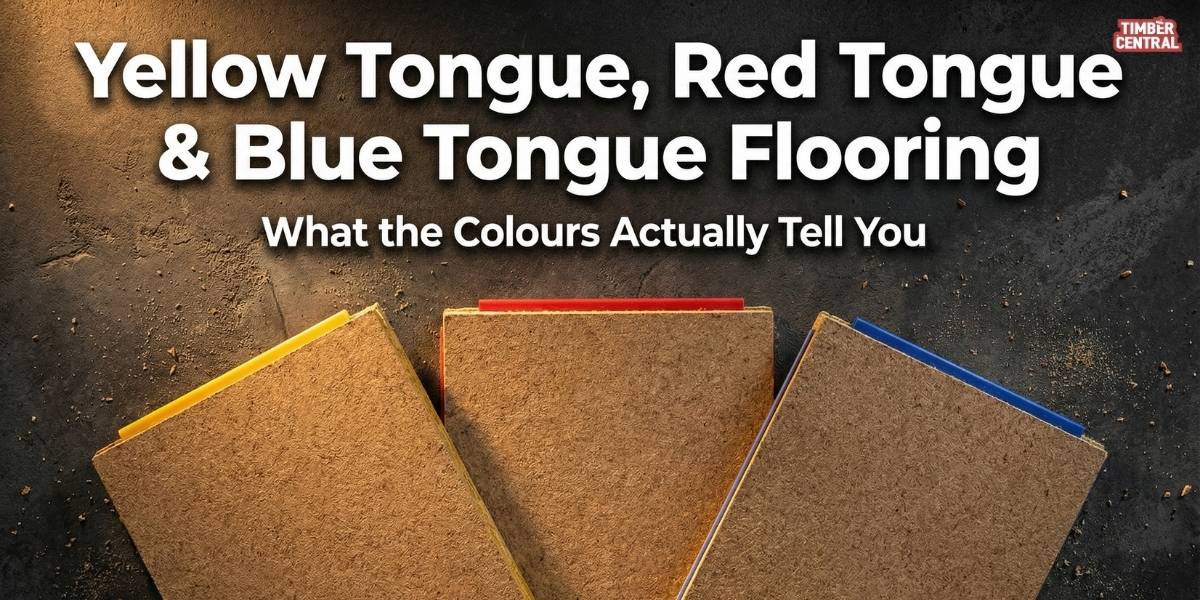
Table of contents
- Why Structural Flooring Uses Colour-Coded Tongues
- What Yellow Tongue Flooring Is Designed For
- When Red Tongue Flooring Enters the Picture
- Where Blue Tongue Flooring Is Typically Used
- Moisture Resistance During Construction
- The Real Factor That Determines Flooring Selection
- What Experienced Builders Watch Closely
- FAQs
Yellow tongue, Red tongue and Blue tongue.
Most people recognise the names, especially once a building project begins. But the meaning behind those colours is often misunderstood.
The assumption is usually simple: thicker must be better.
In reality, structural flooring doesn’t work that way. The colour identifies the thickness of the sheet, and that thickness must match the design of the floor system underneath it.
Ignore that, and the floor may not perform the way it should.
Why Structural Flooring Uses Colour-Coded Tongues
Structural particleboard flooring is widely used across Australian timber-framed construction because it provides a strong, stable platform over floor joists.
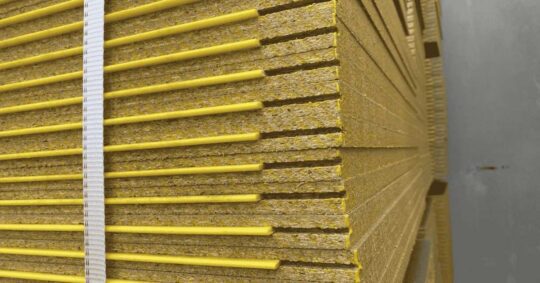
The boards look almost identical once stacked on site. Same surface. Same shape. Same tongue-and-groove profile.
Measuring each sheet to confirm thickness would slow down installation significantly. Not practical.
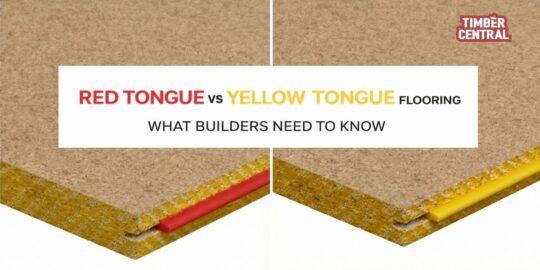
So manufacturers introduced colour-coded edges.
A quick glance tells installers which board they are handling. That’s it. Simple system. Works extremely well in practice.
But here’s something many people misunderstand.
The colour does not represent quality or brand hierarchy. It identifies thickness. Nothing more.
Miss that point and the rest of the conversation about flooring choices becomes confusing very quickly.
What Yellow Tongue Flooring Is Designed For
Yellow Tongue flooring is the most widely used structural particleboard flooring in Australian housing.
The sheets are typically 19mm thick and designed for floor systems where joists are spaced at up to 450mm centres.
That spacing is extremely common in residential framing. This explains why Yellow Tongue appears on so many building sites.
But here’s where assumptions often creep in.
Many people look at 19mm and immediately think “light duty.” That’s not how structural flooring works.
When installed within the correct joist spacing and structural design, Yellow Tongue performs exactly as intended for domestic floor loads. No issues and no compromises.
Problems appear only when spacing rules are ignored.
This is the biggest mistake seen during renovations. Existing framing sometimes uses wider joist spacing, and someone decides to install standard 19mm flooring anyway.
While it might look fine, in practice, the floor can feel flexible. Over time that movement can turn into squeaks or noticeable bounce.
Not the board’s fault. The structure underneath determines the performance.
When Red Tongue Flooring Enters the Picture
Red Tongue flooring increases the thickness to around 22mm.
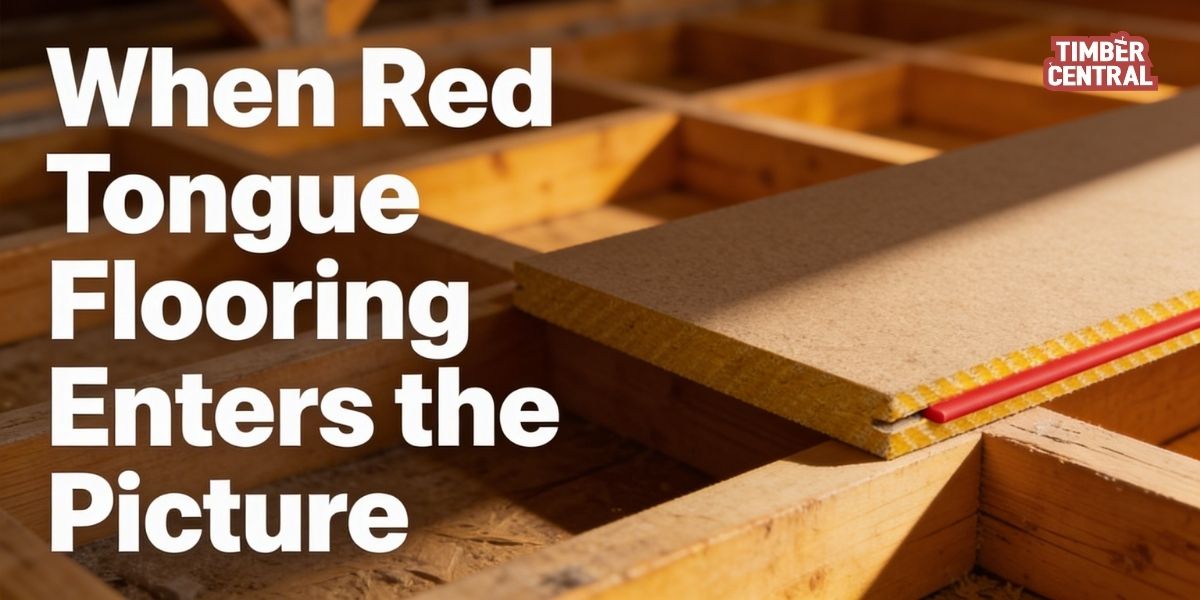
That extra few millimetres might not sound like much, but structurally it allows the flooring to span wider joist centres, commonly up to 600mm depending on design specifications.
This is where Red Tongue becomes useful.
It often appears in situations such as:
- Renovation projects where joist spacing cannot easily be changed
- Larger floor spans within a structure
- Areas where increased stiffness is required within the floor system
However, many people assume Red Tongue should always replace Yellow Tongue “just to be safe.” The logic sounds sensible. Thicker equals stronger.
But construction rarely works that way.
Structural flooring must align with engineering design and building regulations. The entire floor system (joists, spans, loads, fixings and flooring) is designed together.
Change one component without reviewing the design, and the benefit might be negligible.
Where Blue Tongue Flooring Is Typically Used
Blue Tongue flooring boards are generally around 25mm thick and intended for heavier-duty floor systems.
They are often used where higher load performance is required. That might include certain commercial spaces, institutional buildings, or other structures where flooring experiences greater stress than a typical house.
It’s tempting for homeowners to look at Blue Tongue and think it must be the “best” option.
That assumption shows up regularly.
But thicker flooring is not automatically better for every structure. Heavier boards add weight and cost, and they may provide no meaningful advantage if the structural design does not require them.
The floor system design determines the appropriate specification. Always.
Moisture Resistance During Construction
Structural particleboard flooring is engineered with resins and protective treatments that improve resistance to moisture during the building process.
That protection is important. Construction sites rarely stay dry.
Rain happens. Materials sit exposed before roofing and walls are completed.
These boards are designed to tolerate that temporary exposure. But here’s where expectations sometimes drift.
Moisture-resistant does not mean waterproof.
Extended exposure to standing water can still damage the surface or cause swelling along edges. In practice, good site management still matters. It’s something experienced builders pay close attention to.
Leave boards sitting in pooled water long enough, and problems follow. It’s only a matter of time.
The Real Factor That Determines Flooring Selection
The colour of the board often receives the most attention. But the real decision sits elsewhere.

Structural flooring selection depends on factors such as:
- joist spacing
- span lengths
- structural load requirements
- building classification
- engineering specifications
These parameters are governed by building regulations and structural standards.
Suppliers provide the materials required for construction. The final specification, including flooring thickness, must follow the approved building plans and regulatory guidelines.
That boundary is important.
Material suppliers should never override structural design requirements. The structure dictates the material, not the other way around.
What Experienced Builders Watch Closely
After years of residential construction, a few patterns appear consistently.
Certain details separate smooth installations from future headaches.
- First: Joist spacing. This determines the appropriate flooring thickness more than anything else.
- Second: Board orientation. Flooring sheets should run perpendicular to the joists to maintain structural strength.
- Third: Correct fixing methods. Adhesive and fastening schedules are there for a reason.
And finally, moisture management during construction.
These basics sound simple. They are often overlooked. When that happens, floors tend to remind everyone later.
FAQs
What do the colours on tongue flooring mean?
The colours identify the thickness of the structural particleboard flooring sheet. Yellow, red and blue tongues allow installers to quickly distinguish between board types on construction sites.
Is Yellow Tongue flooring suitable for houses?
Yellow Tongue flooring is commonly used in residential construction when joist spacing and structural design match its specifications. The final selection should always follow approved building plans.
Does thicker flooring automatically perform better?
Not necessarily. Flooring thickness must align with the structural design of the floor system. Using thicker boards without structural justification may add cost without improving performance.
Can structural particleboard flooring get wet during construction?
Most products include moisture-resistant treatments designed to handle temporary weather exposure. However, prolonged contact with standing water should still be avoided.
Why do flooring sheets use tongue-and-groove edges?
Tongue-and-groove edges allow adjacent boards to interlock, creating a continuous and stable flooring surface once installed over the joists.